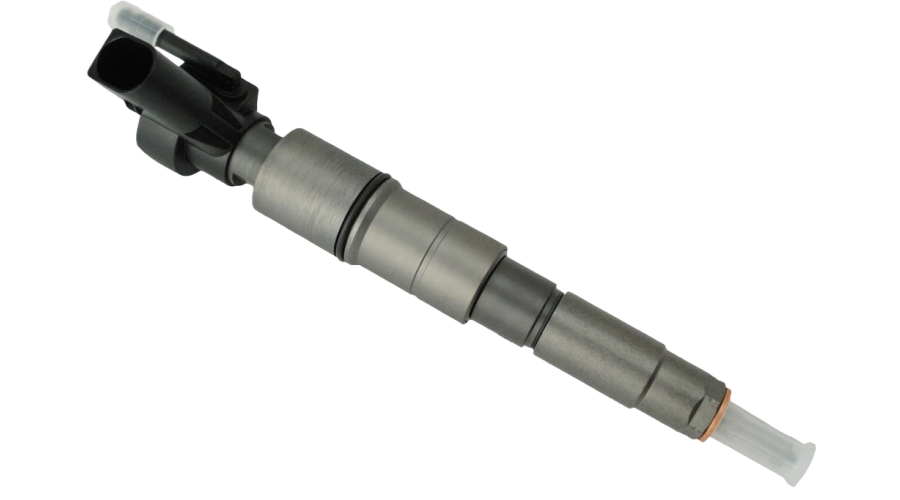
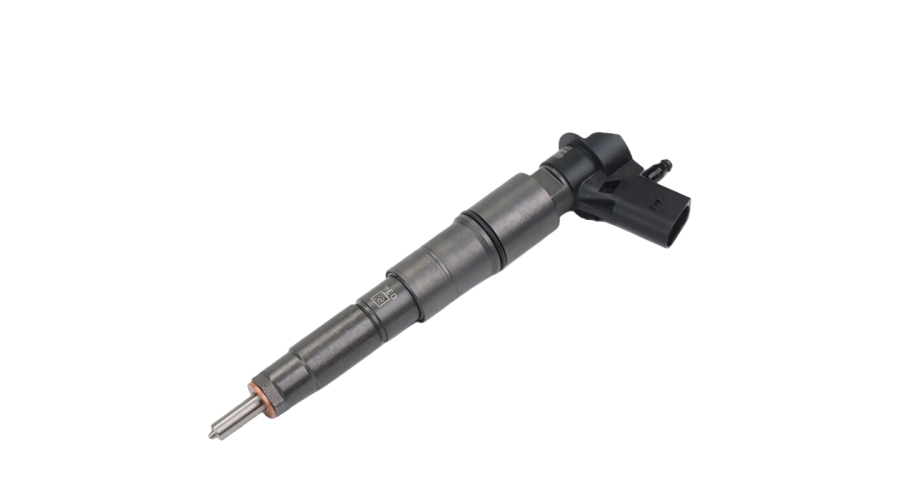
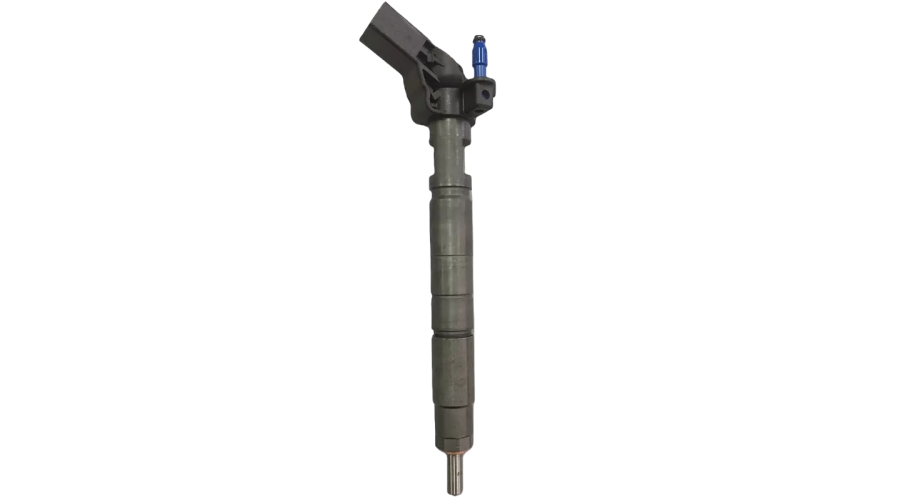
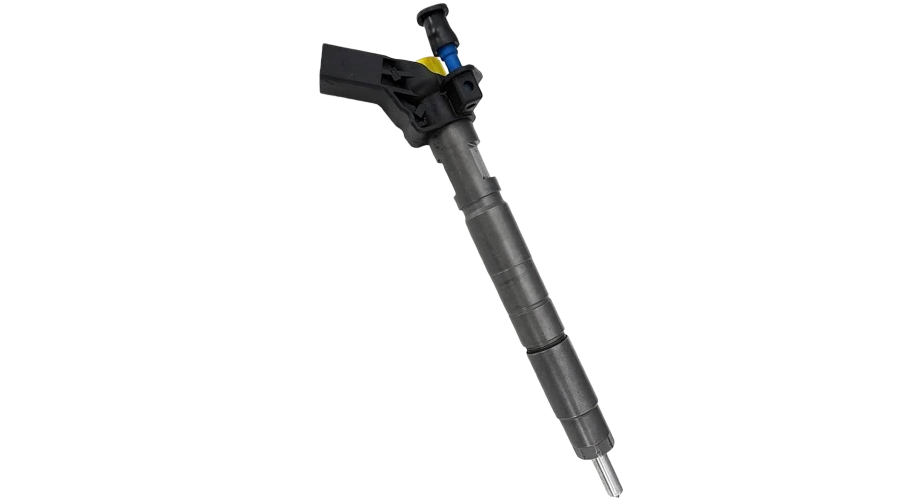
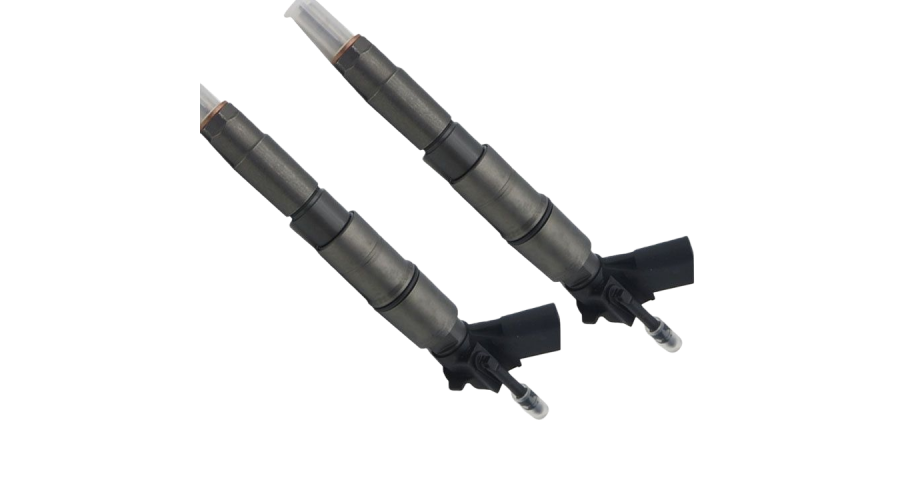
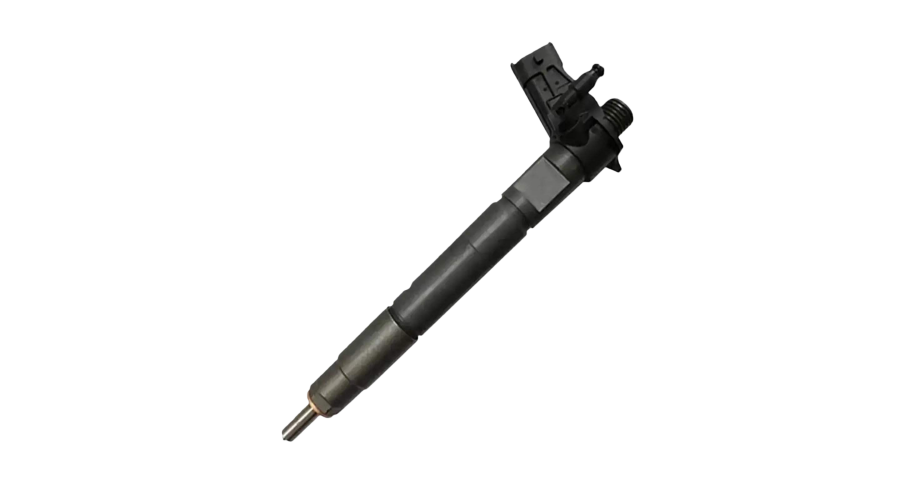
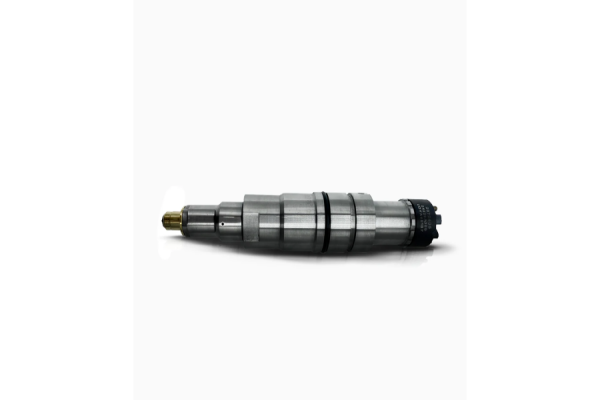
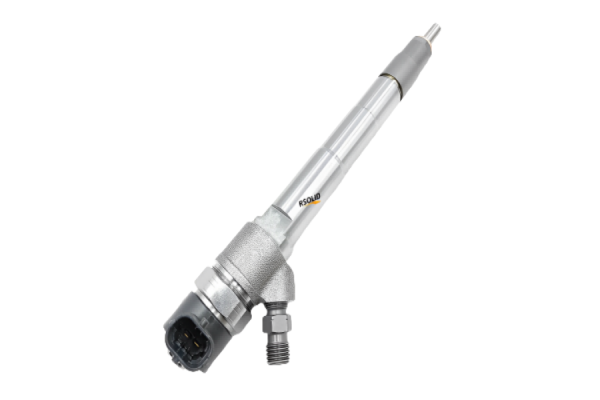
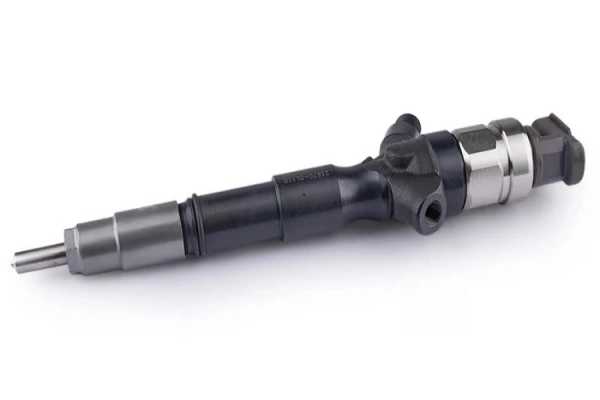
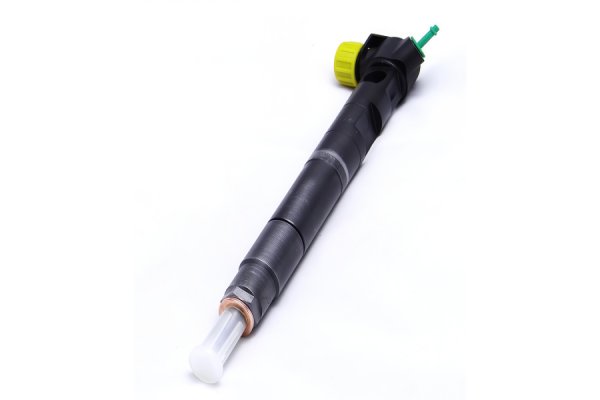
Type: Piezo-electric Diesel Fuel Injector (a very precise and fast-acting solenoid-less design).
Common Name: Often referred to as a Piezo 6.7 or Piezo Injector 6, relating to its generation and flow rate.
Primary Application: This injector is famously used in the 2007.5 - 2012 Dodge Ram 6.7L Cummins engines (6.7L I6 Cummins Turbo Diesel). It is the key component in the Bosch CRS3.2-17 common rail system used in those trucks.
The Bosch 0445115077 injector is a marvel of precision engineering, representing a significant leap over older solenoid-type injectors. Its structural characteristics are directly responsible for its performance advantages.
Here’s a detailed breakdown of its structural characteristics and the resulting advantages.
Core Structural Characteristics
1. Piezo-Crystal Actuator Stack (The Heart)
Structure: Instead of a wire coil and plunger (solenoid), the injector uses a stack of hundreds of thin ceramic piezoelectric wafers.
Function: When an electrical voltage is applied, these wafers change shape almost instantaneously (expanding by a few microns). This direct mechanical movement is used to control the injector's internal valve.
2. Servo-Hydraulic Control System (The Amplifier)
Structure: The small movement of the piezo stack does not directly open the nozzle needle. Instead, it controls a hydraulic servo valve. This system uses high-pressure fuel from the common rail acting on both an upper control piston and the nozzle needle itself, connected by a small control chamber.
Function: The piezo stack's movement opens/closes a bleed orifice in this control chamber. Releasing pressure in the control chamber allows rail pressure (acting on the top of the needle) to lift the nozzle needle open. This "hydraulic amplification" allows a tiny piezo movement to control the immense force required to open the needle against 1,600+ bar of fuel pressure.
3. Nozzle & Orifice Design
Structure: Features a micro-sac or VCO (Valve Covered Orifice) nozzle with extremely small, laser-drilled orifices (typically 6-8 holes).
Function: This creates the finely atomized spray pattern essential for clean combustion.
4. Integrated Design & Electrical Connection
Structure: The piezo stack, servo valve, and nozzle are all integrated into a single, compact unit. It has a distinctive rectangular electrical connector (specific to Bosch piezo designs of this era).
Function: This robust, sealed unit is designed for the harsh engine environment and handles high-voltage signals.
Key Advantages (Derived Directly from the Structure)
1. Extreme Speed & Multiple Injection Capability (The Biggest Advantage)
Why: The piezo stack reacts up to 4x faster than a solenoid (activation times in microseconds).
Benefit: The ECU can command up to 5-7 distinct fuel injections per combustion cycle (e.g., two pilot injections, main injection, and two post injections) in rapid succession.
Result: Drastically reduced combustion noise ("diesel knock"), smoother power delivery, lower emissions (via optimized post-injections for DPF regeneration), and improved fuel efficiency.
2. Unmatched Precision & Consistency
Why: The direct mechanical action of the piezo stack and the servo-hydraulic system allow for incredibly precise control over the start of injection, injection rate, and end of injection.
Benefit: Extremely consistent fuel delivery from one injection event to the next and from cylinder to cylinder.
Result: Better engine balance, smoother idle, reduced vibration, and optimized emission control.
3. High Pressure Operation
Why: The robust servo-hydraulic design is inherently capable of handling the extreme forces generated by modern common rail pressures (23,000+ PSI / 1,600+ bar).
Benefit: Higher injection pressure leads to better fuel atomization.