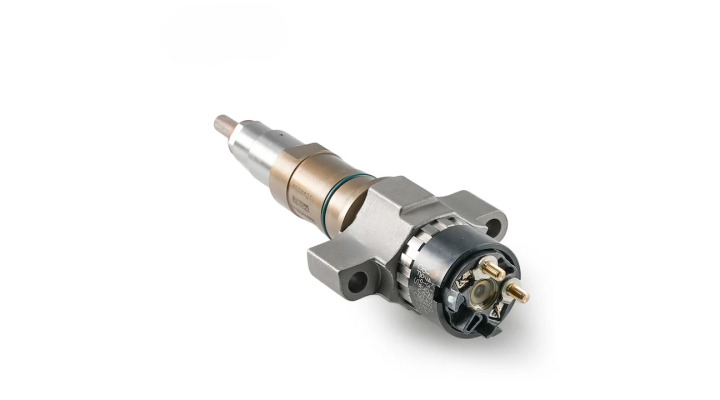
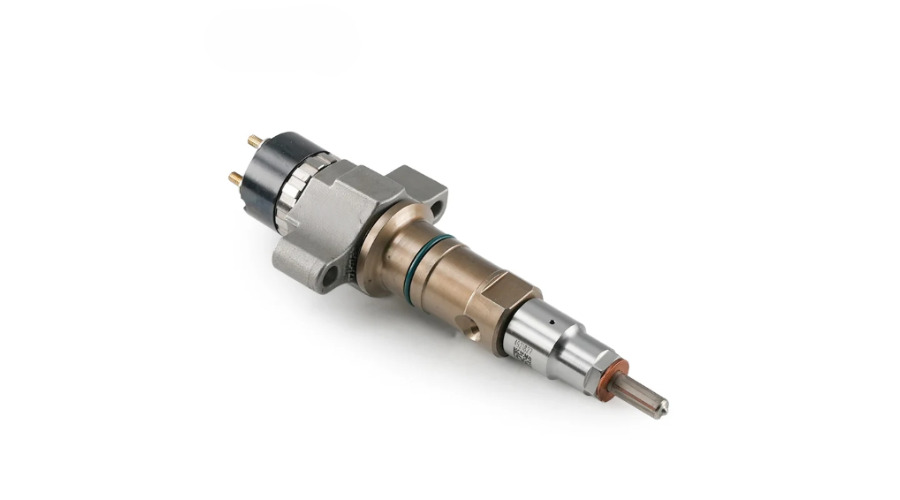
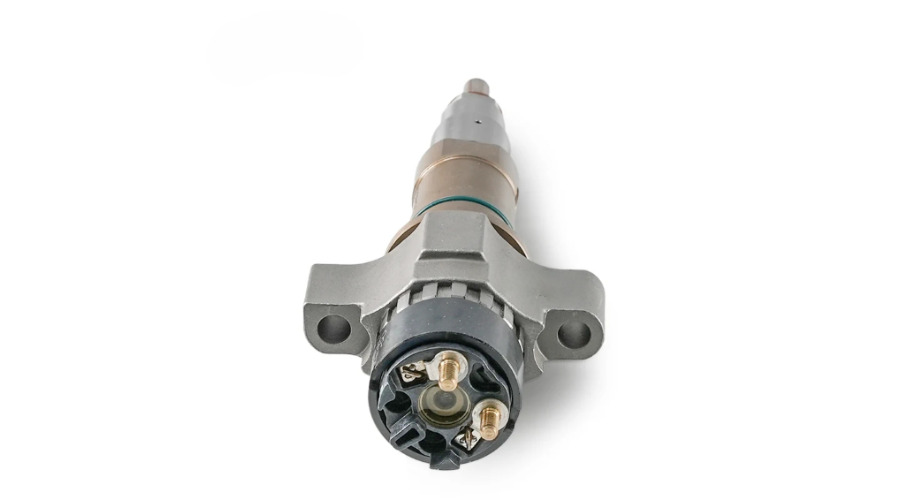
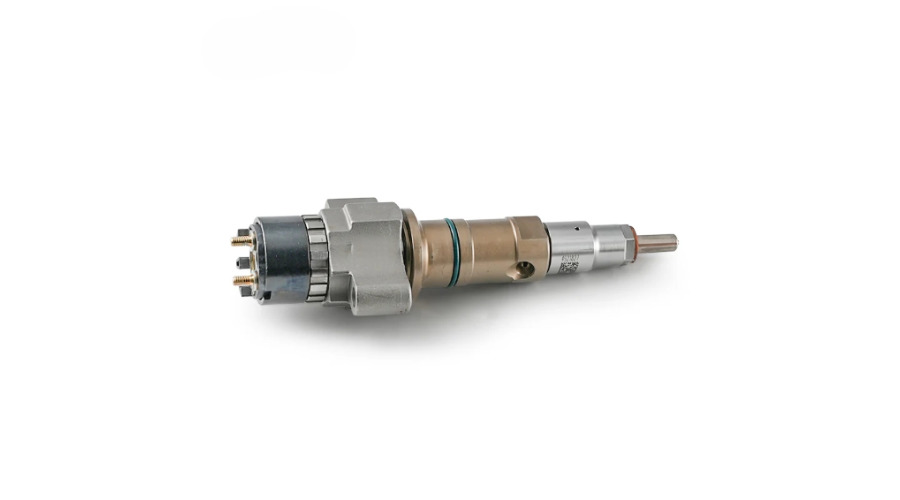
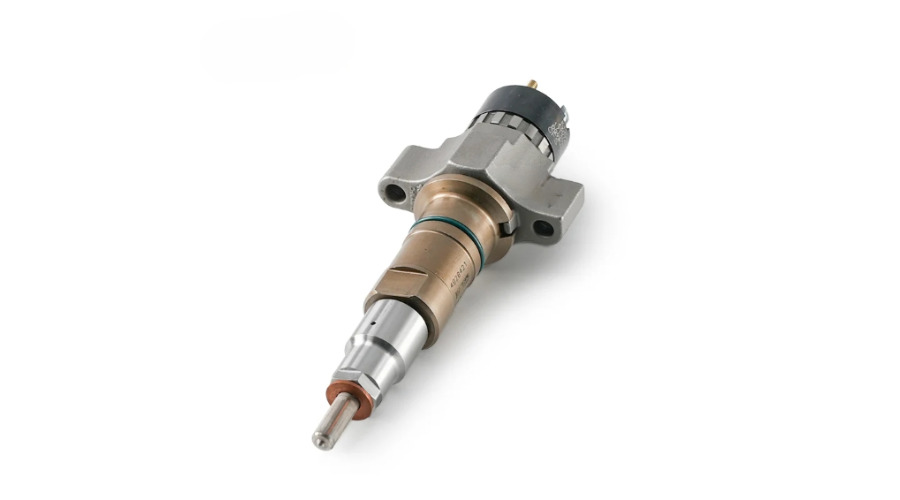
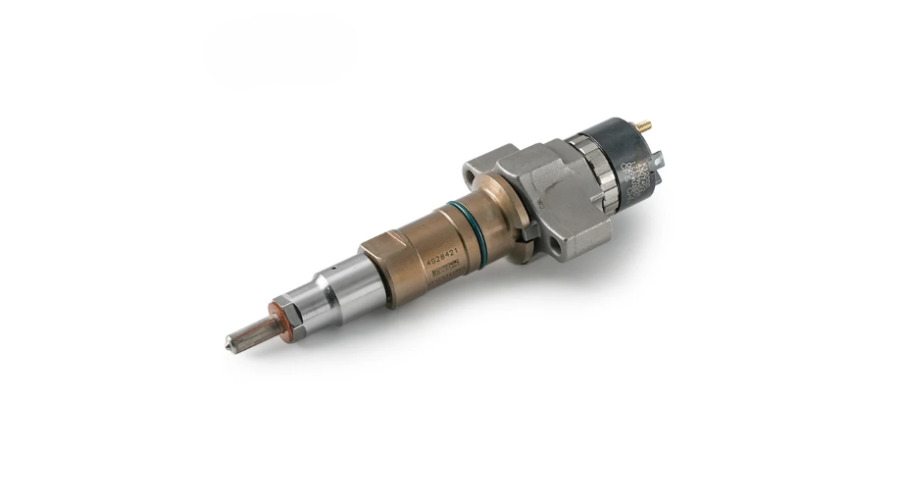
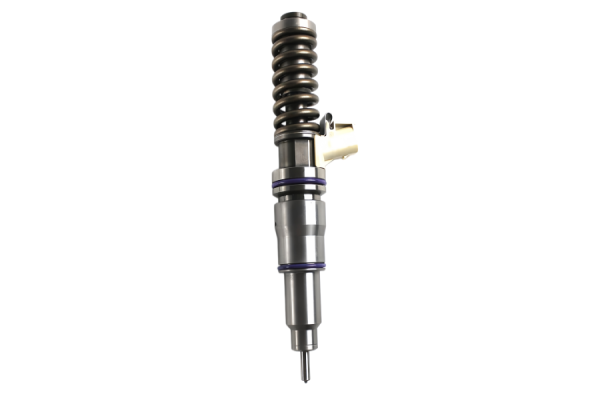
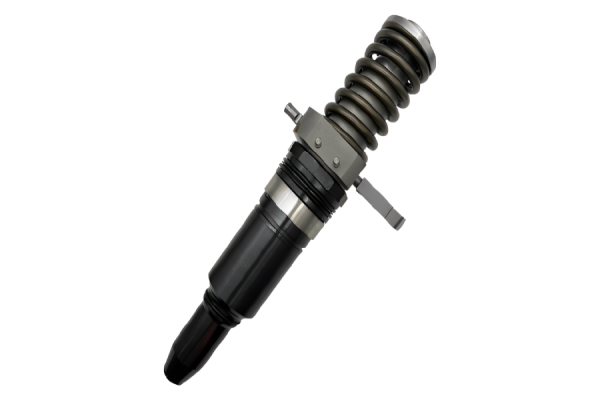
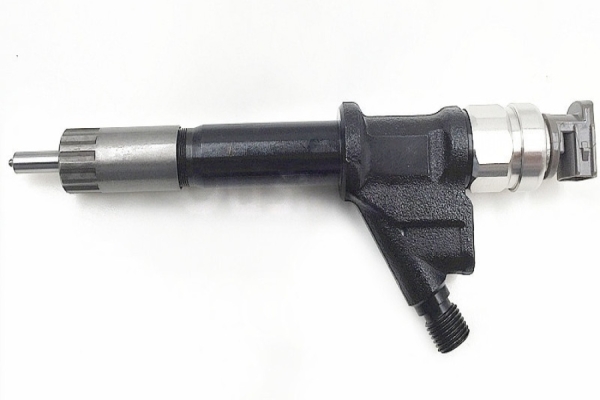
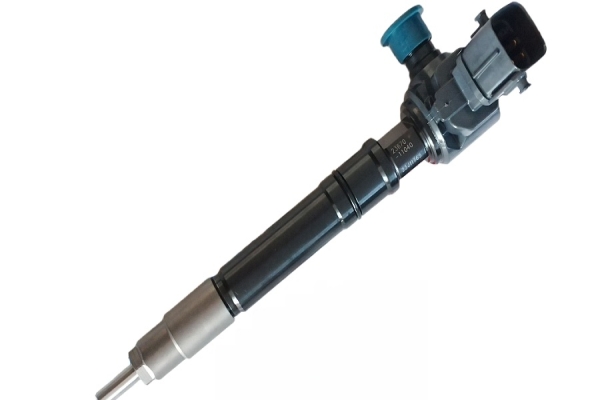
C4307452 is a specific fuel injector part number used in certain Cummins ISX and QSX15 diesel engines.
Core Application
Engine Models: Primarily found in Cummins ISX15 engines (2002-2018, depending on the specific rating and configuration) and their industrial counterpart, the QSX15.
Common Use: This injector was widely used in heavy-duty trucks like Kenworth T680, Peterbilt 579, Freightliner Cascadia and other vehicles or equipment powered by the ISX15 during that era.
Important Note: Always verify the exact engine serial number (ESN) and model against the part number. There were multiple injector revisions for the ISX. Using the wrong injector can cause serious engine damage.
Key Specifications & Features
Type: Electro-hydraulic unit injector (EUI). This design uses engine oil pressure, amplified by a rocker arm, to create the extremely high pressure needed for injection.
Manufacturer: While it carries a Cummins part number, these were originally manufactured by BOSCH for Cummins. You will often see a Bosch part number stamped on the injector body as well.
Compatibility: It is part of a family of injectors. It is often interchangeable with other part numbers after a certain calibration or flash update is performed on the engine's ECM (Engine Control Module). Common related/update part numbers include 4088997 and 4088998. Do not swap these without proper ECM calibration.
Common Symptoms of a Failing C4307452 Injector
If you're diagnosing a problem, watch for:
Hard Starting or Misfire: Especially when cold.
Low Power / Poor Acceleration: The engine feels sluggish.
Excessive White or Black Smoke: Unburned fuel due to poor spray pattern or timing.
Increased Fuel Consumption: A leaking or inefficient injector wastes fuel.
High Crankcase Pressure / Oil Dilution: A failed injector can allow fuel to leak into the engine oil.
Engine Knocking or Rough Idle: From improper fuel delivery.
Fault Codes: The ECM may log injector-related codes like:
Cummins Fault Code 2932 (Injector Cylinder #2 Circuit Fault)
Cummins Fault Code 2966 (Injector Cylinder #6 Timing Error)
*(Codes are cylinder-specific, e.g., 2931-2936 for circuit faults).*
1. Structure and Advantages of the C4307452 Fuel Injector
Structure
The C4307452 is an Electro-Hydraulic Unit Injector (EUI), a self-contained, cam-driven high-pressure injection system. Its structure can be broken down into three main functional assemblies:
1. Solenoid Valve Assembly (Top):
Contains a high-speed, precision electromagnetic solenoid valve controlled directly by the Engine Control Module (ECM).
Its rapid opening and closing (in microseconds) precisely control the timing and duration of fuel injection.
2. Hydraulic Intensifier Assembly (Middle & Lower):
This is the core of the EUI principle. It contains a plunger actuated by the engine's overhead camshaft via a rocker arm.
The cam provides high mechanical force. A small hydraulic piston inside the injector multiplies this force, intensifying the fuel pressure to extremely high levels (up to 30,000+ psi / 2,070+ bar) needed for modern diesel combustion.
3. Nozzle and Tip Assembly (Bottom):
Features a multi-hole precision nozzle (typically with 6-8 micro-holes).
At the exact moment commanded by the solenoid, the intensifier's pressure unseats the nozzle needle valve, atomizing the fuel into a fine, optimized spray pattern directly into the combustion chamber.
Key Supporting Elements: It has integral fuel supply and return galleries, and most critically, a Calibration Code (a 4-digit number) etched on it, unique to its flow characteristics.
Advantages
The EUI design, as exemplified by the C4307452, offered significant advancements:
Extremely High Injection Pressure: Cam-driven intensification generates higher, more consistent pressure than older pump-line-nozzle systems, leading to better fuel atomization.
Precision Electronic Control: The ECM-controlled solenoid allows for precise timing and duration adjustments for every injection event, optimizing power, fuel economy, and emissions.
Compact and Integrated Design: Combines the high-pressure pump and injector into a single unit per cylinder, eliminating high-pressure fuel lines (and their potential for leaks/failure).
Flexible Injection Control: Enabled the foundational technology for features like pilot injection (a small pre-injection to reduce noise and NOx) and improved cold-start performance.
Robustness: As a unitized system driven by the engine cam, it is mechanically robust and well-suited to the harsh environment of a heavy-duty diesel engine.
2. Main Application Scenarios and Device Models
Primary Application Scenario:
This injector is designed for heavy-duty, high-displacement diesel engines where reliability, high torque, and meeting stringent emissions standards (EPA '02, '07, '10) are critical.
Specific Engine & Equipment Models:
The C4307452 was predominantly used in Cummins ISX15 and QSX15 engines, spanning from approximately 2002 to 2018.
⚠️ Critical Note: The definitive way to confirm compatibility is via the Engine Serial Number (ESN). Part number supersessions and engine-specific calibrations mean the ESN is the only guarantee of the correct part.
3. Precautions for Replacing or Installing the C4307452 Injector
Replacing this injector is a precision task. Failure to follow procedures can lead to immediate injector failure or severe engine damage.
Pre-Installation Precautions:
Accurate Diagnosis: Use diagnostic software (e.g., Cummins INSITE) to perform an Injector Cut-Out Test or Balance Rate Test. Never replace injectors based on guesswork. Identify the exact faulty cylinder(s).
Verify the Part & Code: Ensure the new/remanufactured injector is the correct part number for your specific Engine Serial Number (ESN). Record the 4-digit Calibration Code from the side of the new injector before installation.
Cleanliness is Paramount: The injector tip protrudes into the combustion chamber. Any debris in the injector bore or fuel passages will be forced into the new injector. Have professional cleaning tools (fuel quill brushes) ready.
Installation Procedure & Precautions:
Step 1 – Preparation:
Step 2 – Removal & Cleaning:
After removing the old injector, you MUST clean the injector bore and the fuel supply passage (fuel quill or "cup") in the cylinder head using specialized nylon brushes and cleaning solvent. This is a non-negotiable step.
Inspect the injector sleeve (if equipped) and copper crush washer seat for damage. Replace if any imperfections exist.
Step 3 – Installation:
Install a NEW copper crush washer/gasket onto the new injector. Never reuse the old one.
Lubricate the injector O-rings with clean engine oil.
Carefully insert the injector into its bore by hand. Do not force it.
Install and torque the hold-down clamp to the manufacturer's specification (e.g., typically 50 lb-in then 240 lb-in for ISX). Over-torquing will distort the injector body and cause it to fail.
Step 4 – Post-Installation Programming (MOST CRITICAL STEP):
Connect the diagnostic tool.
Program the new injector's 4-digit Calibration Code into the ECM for the specific cylinder. This tells the ECM the exact flow characteristics of that injector for precise fueling.
Clear any historical fault codes.
Step 5 – Final Steps:
Change the Engine Oil and Filter: A failing injector often leaks fuel into the crankcase, diluting the oil. Starting with fresh oil is essential.
Prime the fuel system to remove air.
Start the engine and use INSITE to perform an Injector Balance Rate Test to verify all injectors are operating within specification.
Check for fuel or oil leaks.
Summary of Absolute "Must-Do"s:
DO diagnose to find the exact faulty injector.
DO clean the injector bore and fuel quill meticulously.
DO use a NEW copper crush washer.
DO torque the hold-down clamp to the correct specification.
DO program the new calibration code into the ECM.
DO change the engine oil and filter.
DO NOT reuse old seals or ignore cleaning.
DO NOT skip the programming step. An uncalibrated injector will cause poor performance, excessive emissions, and can harm the engine.