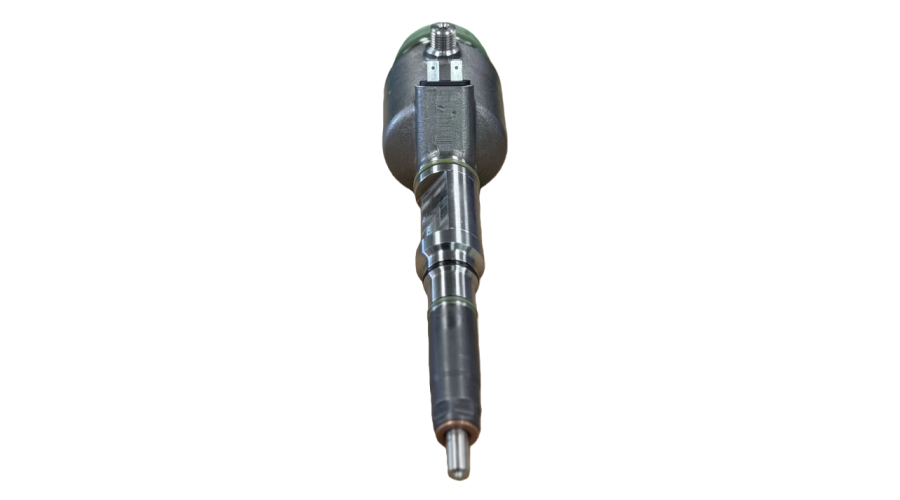
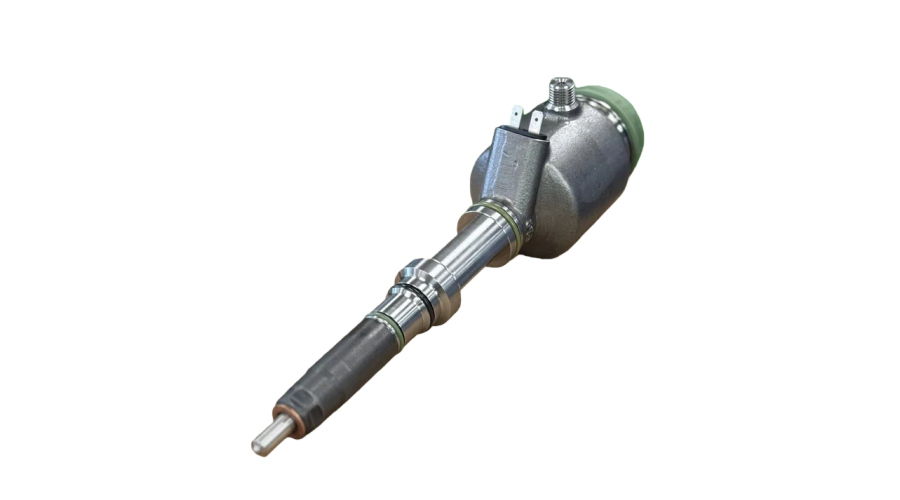
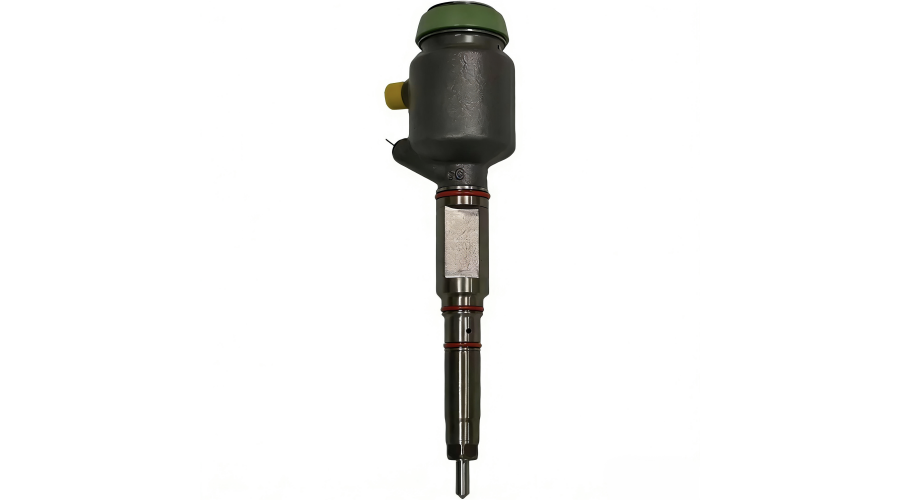
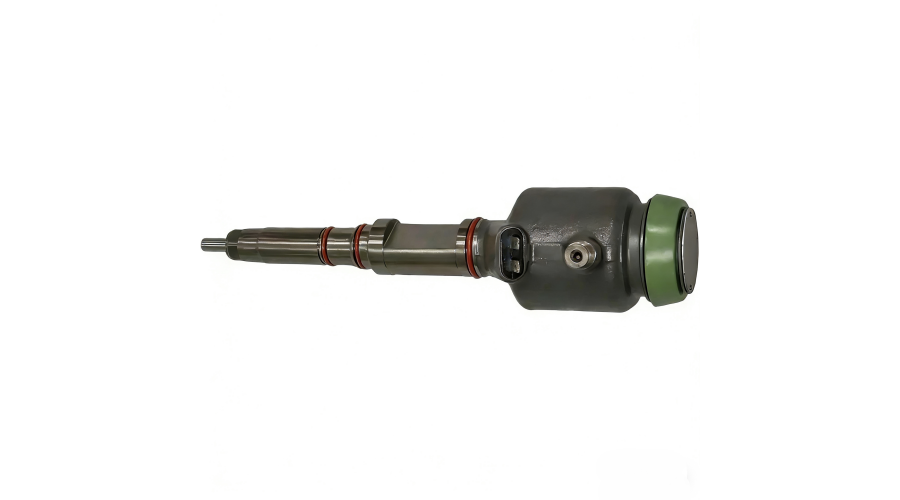
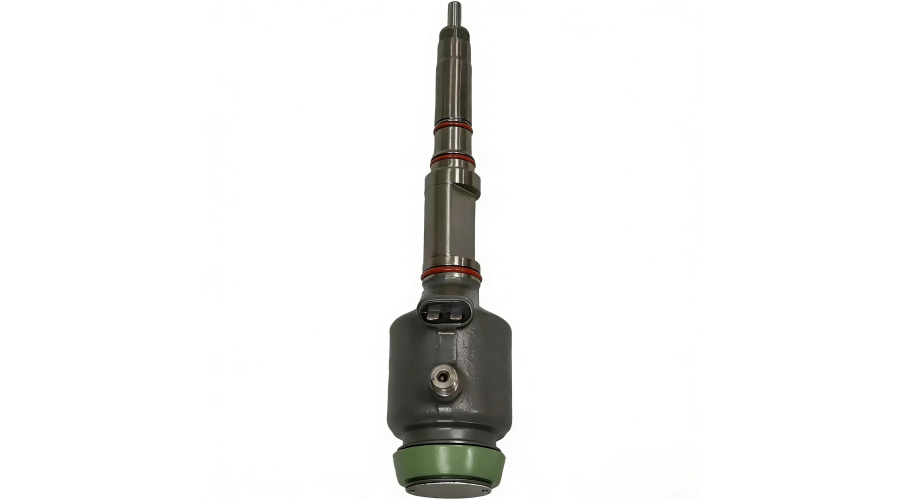
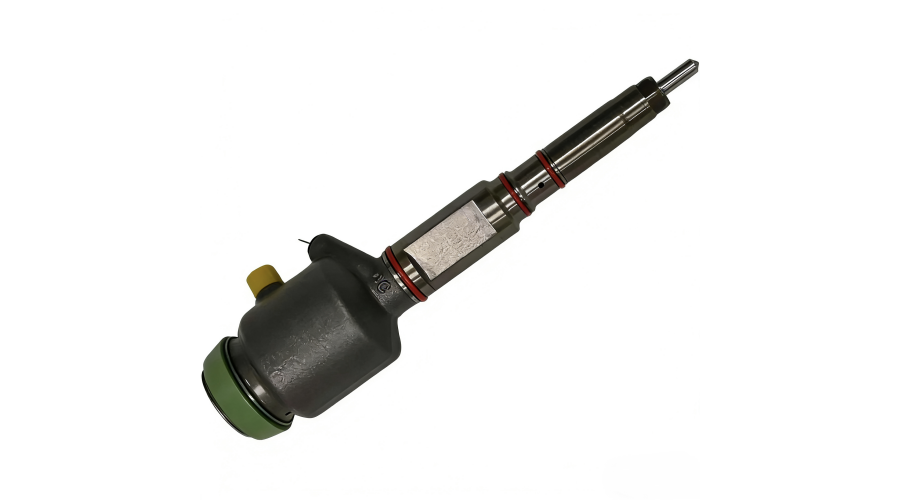
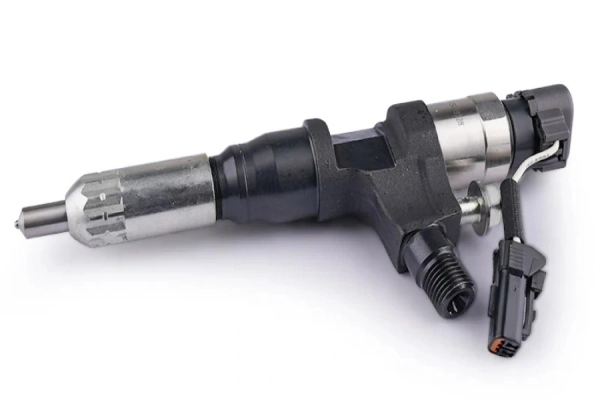
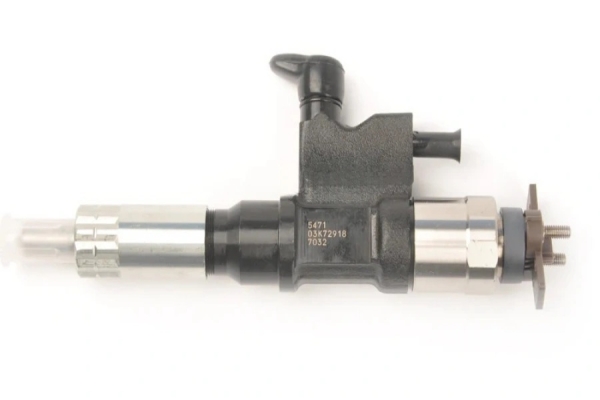
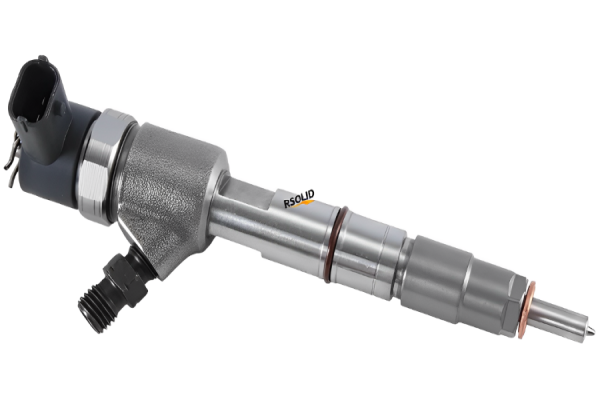
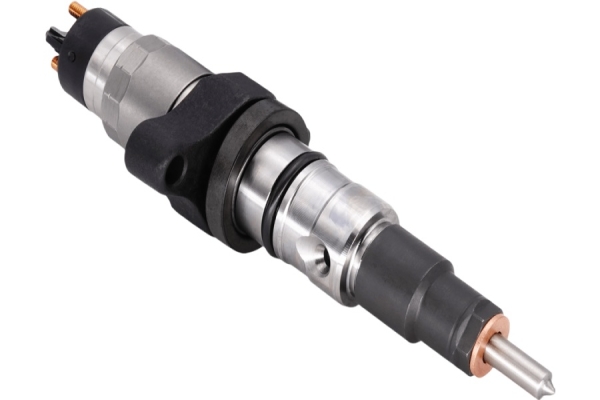
This is a specific and critical part for MTU Series 2000 marine engines. Let's break down the information and clarify the common confusion between these two part numbers.
This is a classic example of a supersession or direct replacement. One part number replaces the other.
Key Takeaway: They are considered the same injector for ordering purposes. The -011 is the correct, updated number. Always verify with your supplier, but you should request 51107500011.
Here’s a brief overview of the key structural advantages of the Bosch common rail fuel injector (like the 51107500011) for the MTU 2000 series, which make it ideal for demanding marine applications:
Built-in Protection: Contains a fine mesh filter at the fuel inlet to protect critical internal components from any particulate contamination.
Hydraulic Damping: Internal damping mechanisms smooth out pressure waves in the fuel system, ensuring stable operation and protecting other rail components.
Installing a fuel injector on an MTU 2000 series engine is a precision task. Here are the critical precautions, distilled into a clear list.
Mandatory Pre-Installation Precautions
Cleanliness is Law: The fuel system is a clean room environment. Dirt introduced during installation is the #1 cause of immediate injector or pump failure. Work in a clean area, use lint-free rags, and keep all ports capped until the moment of connection.
Verify the Part: Double-check the Bosch number (51107500011) and the specific calibration code (e.g., R5-09-XXXXX) on the new/reman injector matches your order and the cylinder you are replacing.
New Sealing Elements: You MUST use a brand new sealing washer (copper or aluminum) for the injector tip. Reusing the old one will cause compression leaks and overheating. Also replace the O-rings on the fuel inlet/return.
Protect the Tip: Never let the injector's precision nozzle tip touch any hard surface. A tiny scratch will ruin its spray pattern and engine performance.
Critical Installation Steps & Warnings
Removal: Use the correct puller tool. Do not hammer or pry. Before removing, thoroughly clean the injector bore and surrounding area on the cylinder head to prevent debris from falling in.
Bore Cleaning: After removal, meticulously clean the injector sleeve in the cylinder head. Use proper sleeve brushes and fuel oil. All old carbon and debris must be removed to ensure proper heat transfer and seating.
Hand-Tight Start: Lightly lubricate the new O-rings with clean diesel fuel. Start the injector into its bore by hand only. If it does not thread in smoothly, stop! Do not force it. Re-align and try again. Cross-threading is catastrophic.
Torque Procedure: This is a multi-step, angle-controlled torque process, not a simple one-step tightening.
Consult the specific MTU service manual for your engine's exact values. A typical sequence is:
Tighten to a low initial torque (e.g., 5-7 Nm) to seat the injector.
Final tighten to a specified angle (e.g., 90° or 120°) using an angle torque gauge. Do not exceed this.
Fuel Line Connection: Connect the high-pressure fuel line. Follow the torque specification precisely (often a two-stage process: e.g., 25 Nm + 90°). Overtightening can damage the line or injector socket.