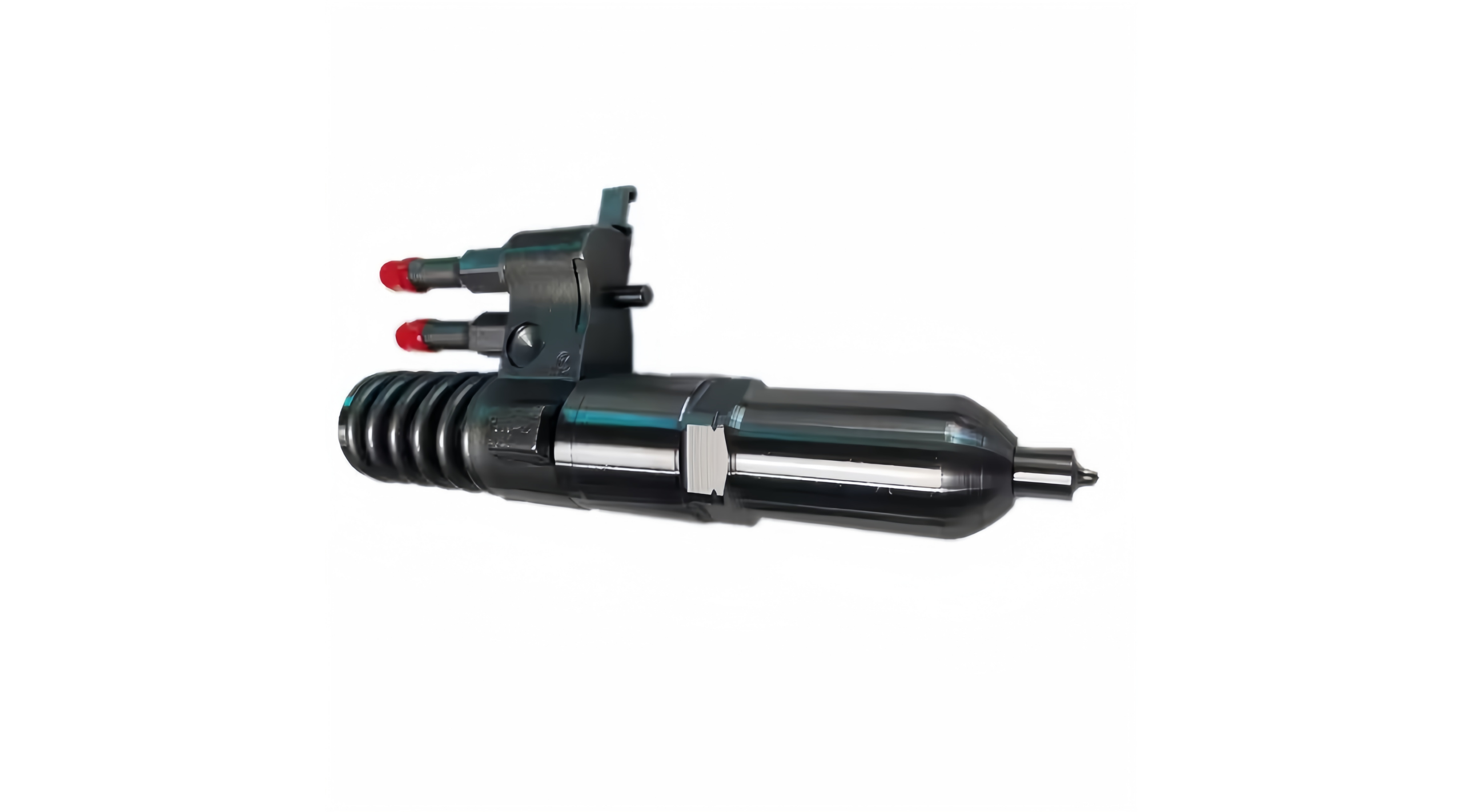
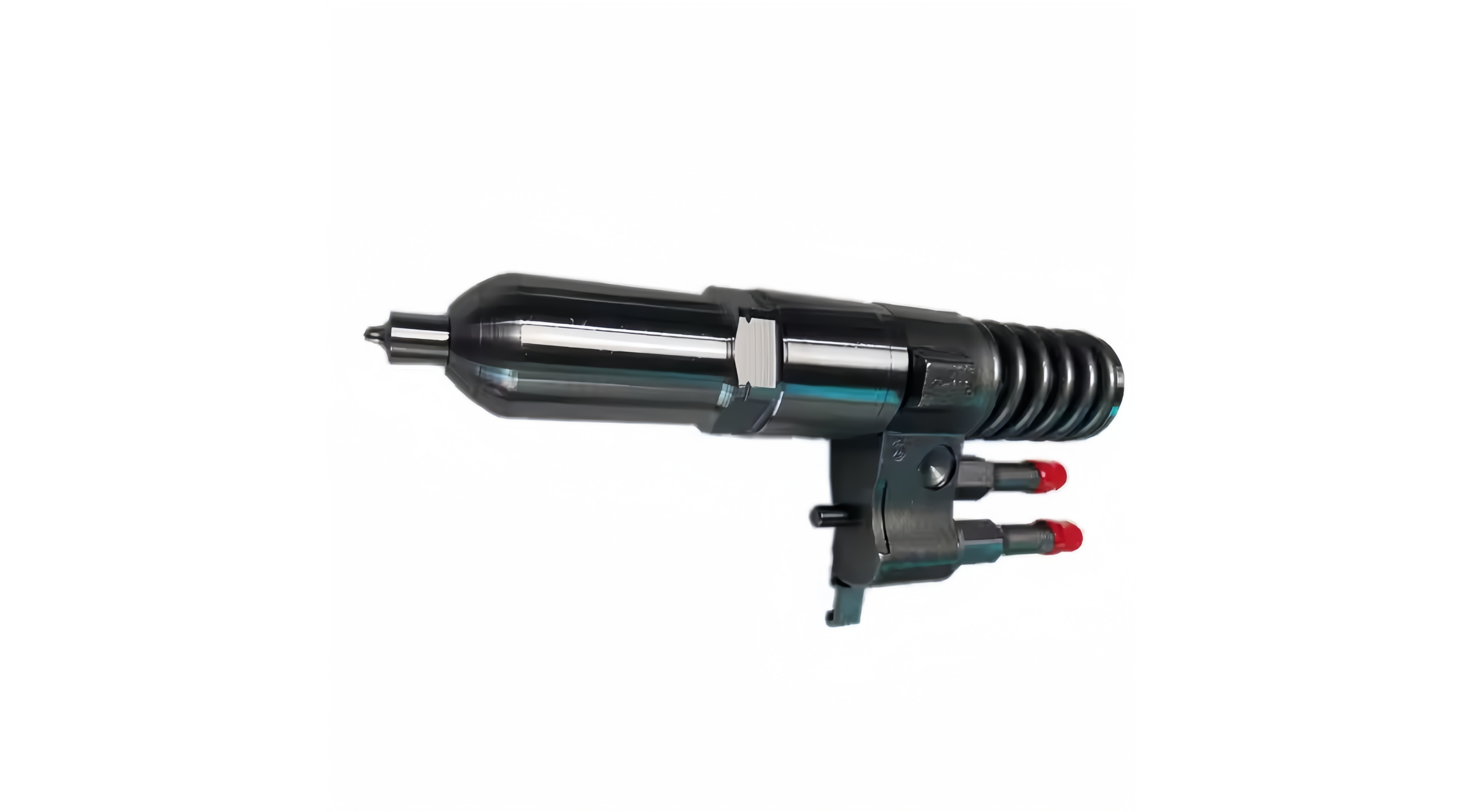
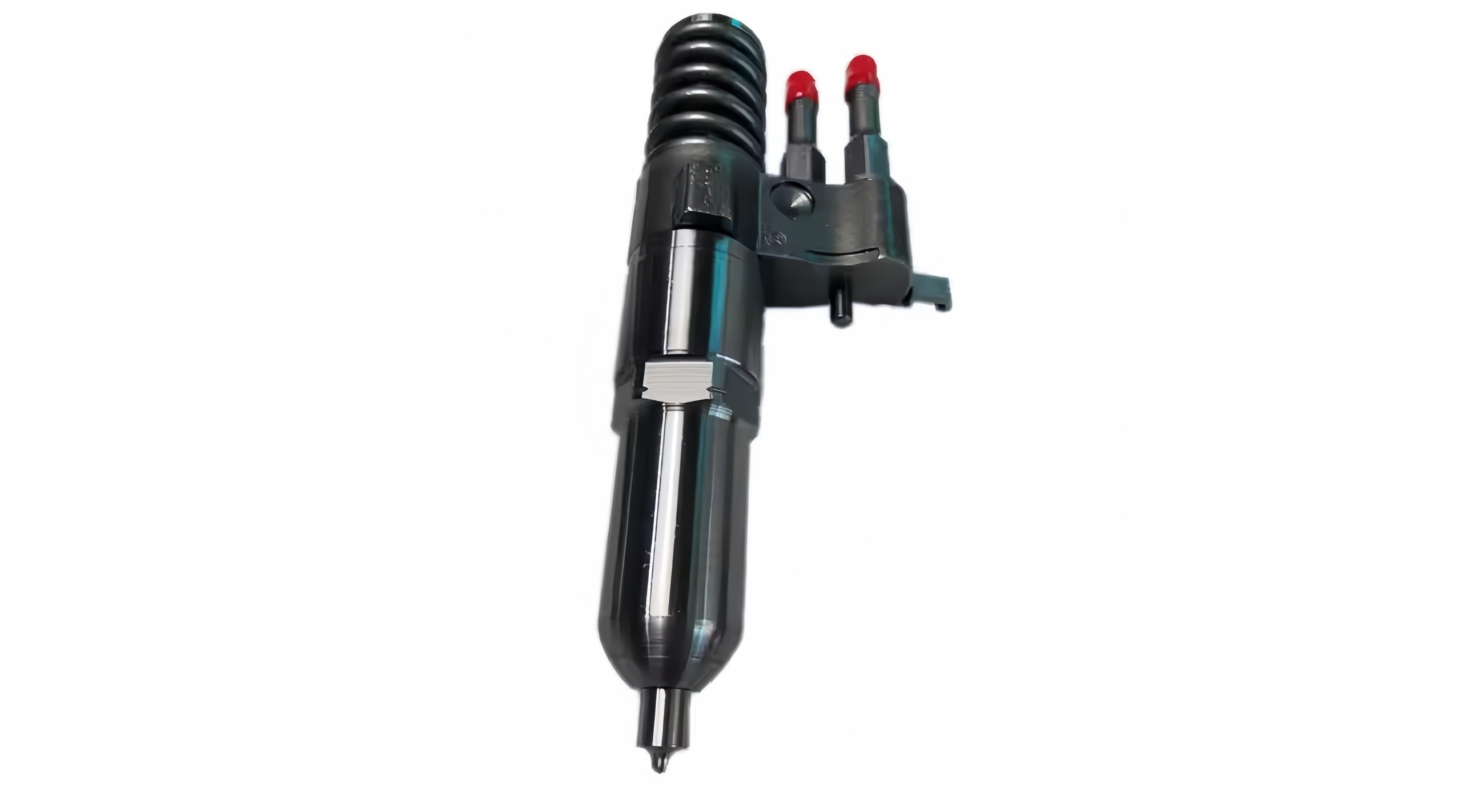
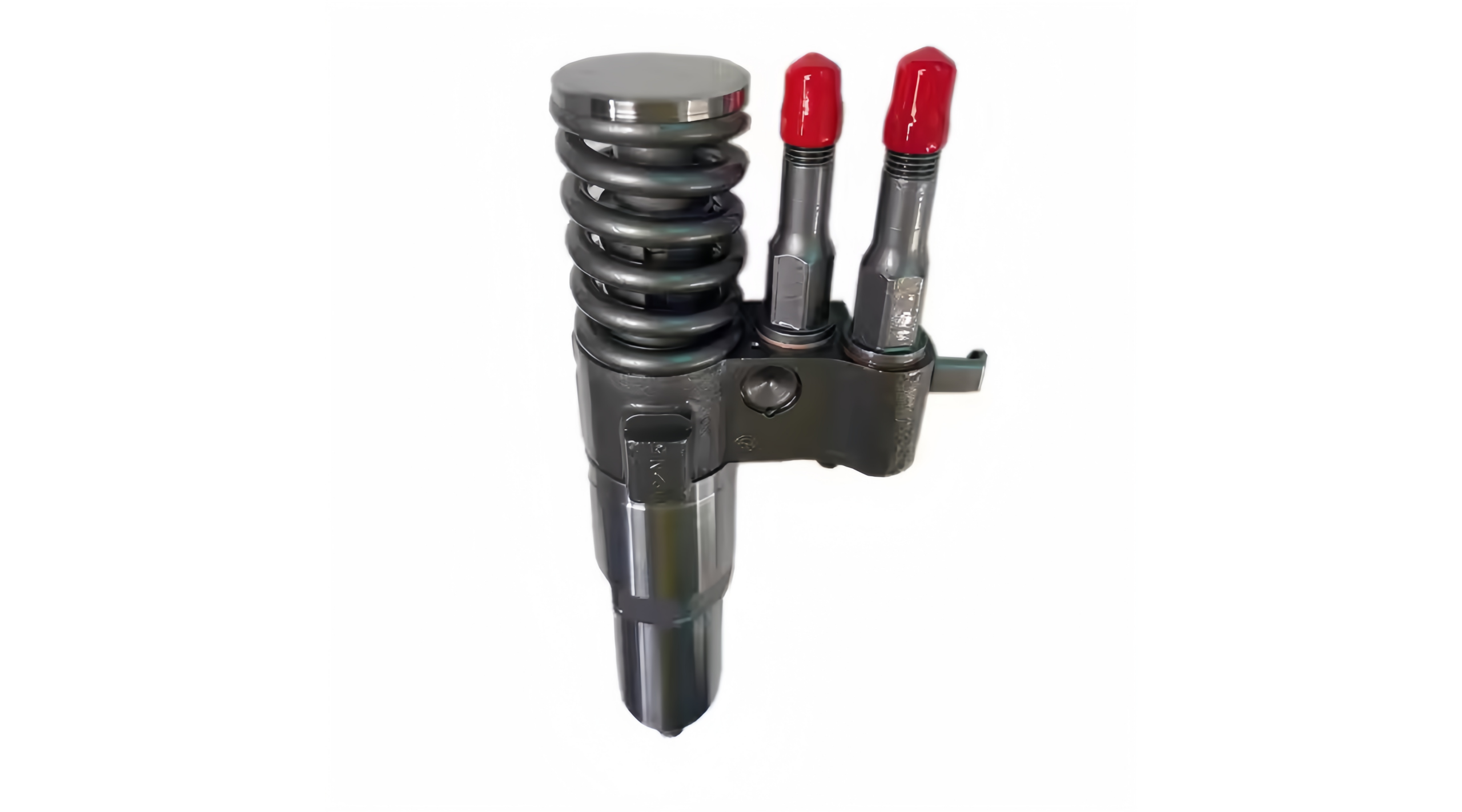
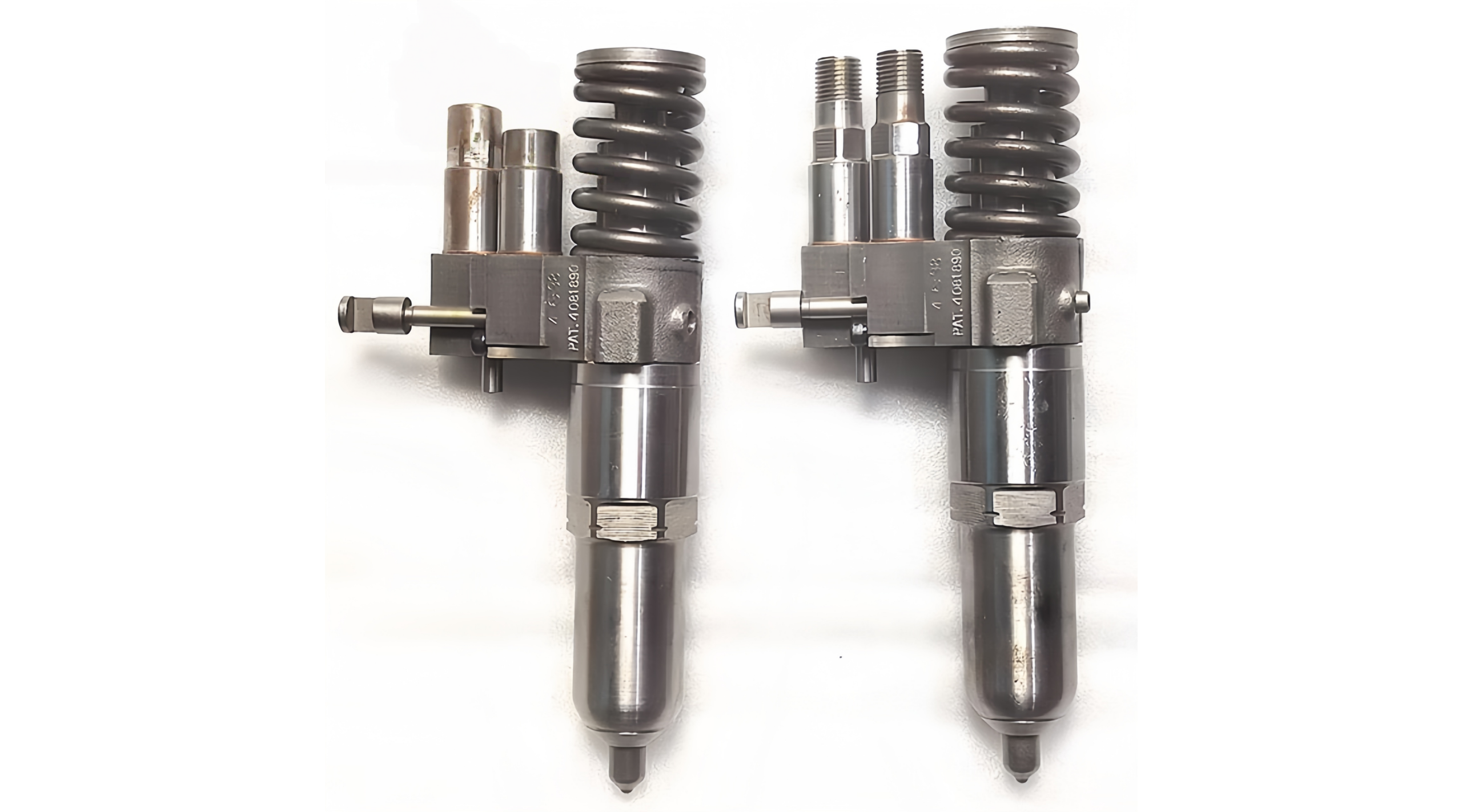
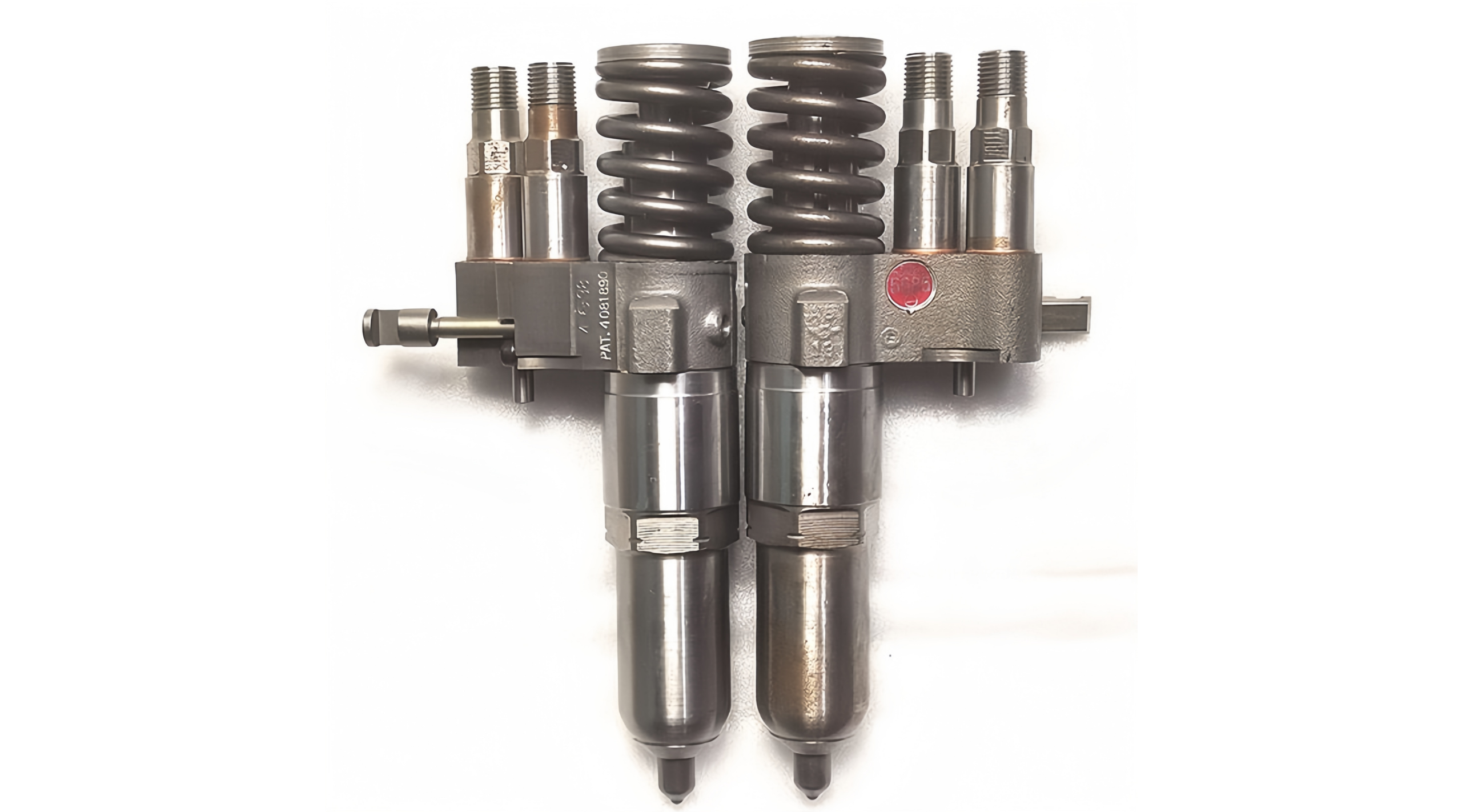
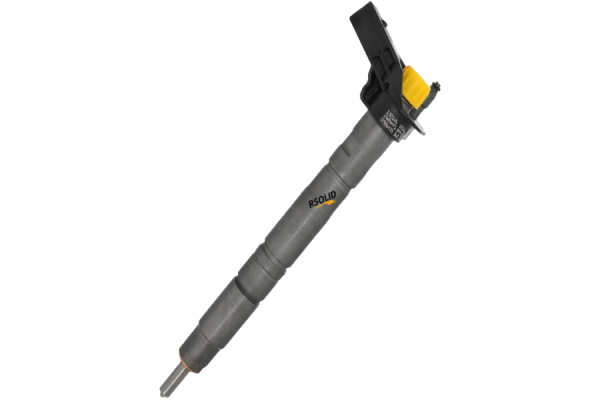
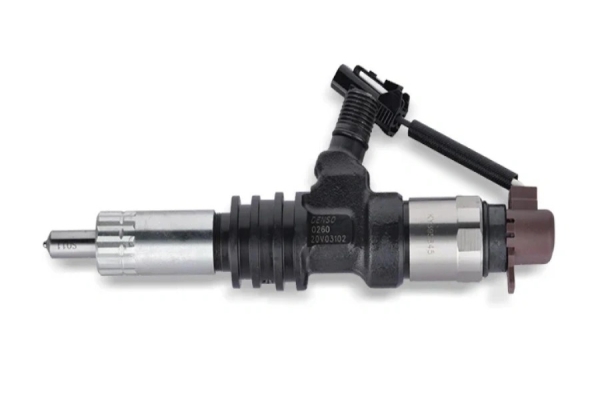
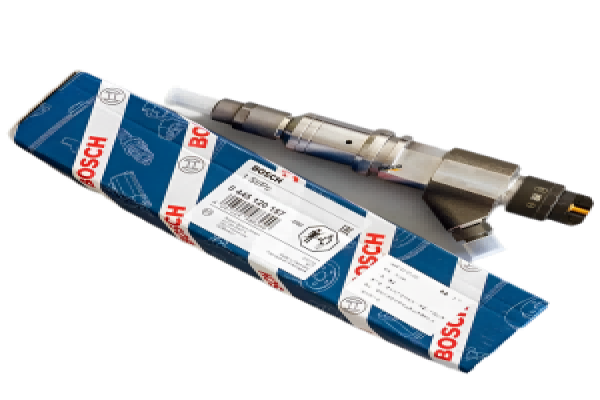
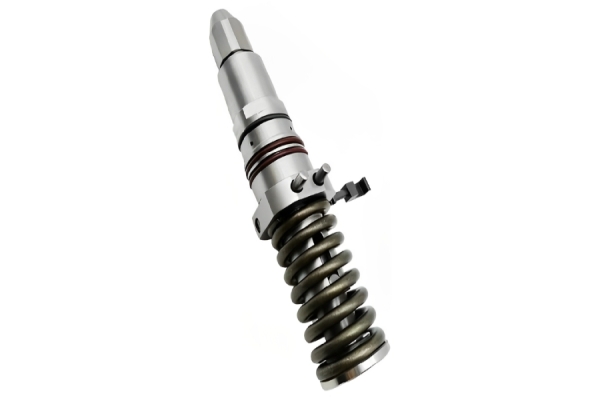
The R-5227170 is a very common and critical fuel injector used in a wide range of Detroit Diesel engines, particularly in the Series 60 (12.7L and 14L) and some DD15 engines. It's a precision component that plays a huge role in engine performance, fuel economy, and emissions.
Here’s a comprehensive breakdown of everything you need to know about the R-5227170 Diesel Fuel Injector.
This is an Electronically Controlled Unit Injector (EUI). It combines the injection pump and injector nozzle into a single unit, located in the cylinder head.
If you're researching this part, you might be troubleshooting. Look for:
Hard Starting or No Start: Especially when cold.
Misfire/Rough Idle: Engine runs unevenly; you can often identify the bad cylinder by "cutting out" injectors one at a time.
Loss of Power: Engine feels sluggish, lacks power under load.
Excessive Black or White Smoke:
Increased Fuel Consumption: A leaking or inefficient injector dumps fuel without producing power.
Engine Knock or "Tick": A louder-than-normal clicking sound from one cylinder.
Fuel in Engine Oil: A leaking injector tip or seal can dilute engine oil, raising the oil level and degrading lubrication. This is serious!
Fault Codes: Check for diagnostic codes related to cylinder cutout, injector circuit faults, or injection timing issues.
This is not a simple "plug-and-play" job. Proper installation is critical to avoid immediate failure or engine damage.
Must Be Programmed: The most important step. Each new or remanufactured injector has a unique trim code or calibration code (a 4-7 digit number on the injector body). This code MUST be programmed into the engine's ECM (DDEC) using diagnostic software (e.g., Detroit Diesel Diagnostic Link - DDDL, or a capable aftermarket scanner). If not programmed, the engine will run poorly.
Cleanliness is Critical: The fuel system is ultra-high precision. Any dirt introduced during installation can destroy the new injector or damage the fuel system. Clean the area meticulously.
Replace Seals & Components: Always use a new installation kit. This includes:
Torque Specifications: Follow the exact, multi-step torque sequence and specifications from the service manual. Overtightening can distort the injector bore or damage the injector.
Consider Replacing the Injector Hold-Down Clamp & Bolt: These are high-stress components and can fatigue.
Preventive Maintenance Recommendations for Detroit Diesel EUI Injectors (R-5227170)
Proactive maintenance is crucial to maximize injector life and prevent costly failures. These injectors typically last 400,000-750,000 miles with proper care.
1. Fuel Quality & Filtration (THE MOST IMPORTANT FACTOR)
Use Ultra-Low Sulfur Diesel (ULSD): Always purchase from high-volume, reputable stations.
Maintain Fuel Filters Religiously:
Replace primary and secondary fuel filters at or before OEM intervals (typically 15,000-30,000 miles).
Use OEM-spec or premium filters (Fleetguard, Donaldson, Baldwin). Never install cheap filters.
Prime the system properly after filter changes to prevent air ingress.
Drain Water Separator Daily: If equipped with a manual drain. Water is the #1 enemy of injectors.
Consider Fuel Additives: A quality cetane booster and lubricity additive (e.g., Opti-Lube, Power Service) can improve atomization and protect against low-lubricity fuel, especially in winter.
2. Regular Engine Maintenance
Maintain Clean Engine Oil & Filters: Contaminated oil can affect the injector's solenoid operation through the actuation system. Follow severe-service oil change intervals.
Monitor Cooling System: Overheating destroys injectors. Maintain proper coolant levels, mixture, and replace coolant per OEM schedules.
Operate the Engine Correctly: Avoid prolonged idling and "lugging" the engine at low RPMs under heavy load. Both can increase injector tip temperatures.
3. Monitoring & Diagnostics
Regularly Scan for Codes: Use diagnostic software (DDDL, etc.) to check for pending or soft codes related to fuel trim or cylinder balance.
Perform Injector Cut-Out Tests: This simple test (using diagnostic software) can identify a weak or failing injector before it causes major symptoms.
Monitor Fuel Consumption: A sudden, unexplained increase in fuel consumption can indicate injector issues.
Check for Fuel in Oil: At each oil check, smell the dipstick for diesel odor and note if oil level rises.
4. Storage & Downtime
If the engine will sit for >30 days, use a biocide in the fuel tank to prevent microbial growth (algae) which clogs filters and injectors.
Consider running the engine to operating temperature periodically during long storage.
Replacement Installation Precautions & Step-by-Step Procedure
⚠️ PRE-INSTALLATION WARNINGS ⚠️
SAFETY FIRST: Work on a cool engine. Wear safety glasses. Diesel fuel under high pressure can penetrate skin.
Absolute Cleanliness: The injector bore is a cleanroom environment. Clean the valve cover area thoroughly before opening.
Have All Parts & Tools Ready:
New/reman injector R-5227170
New installation kit (Detroit #23543207 or equivalent) – DO NOT REUSE SEALS
Torque wrench (inch-pounds capable)
Correct socket for injector hold-down clamp
Diagnostic laptop/software READY FOR PROGRAMMING
Record the new injector's calibration code before installation