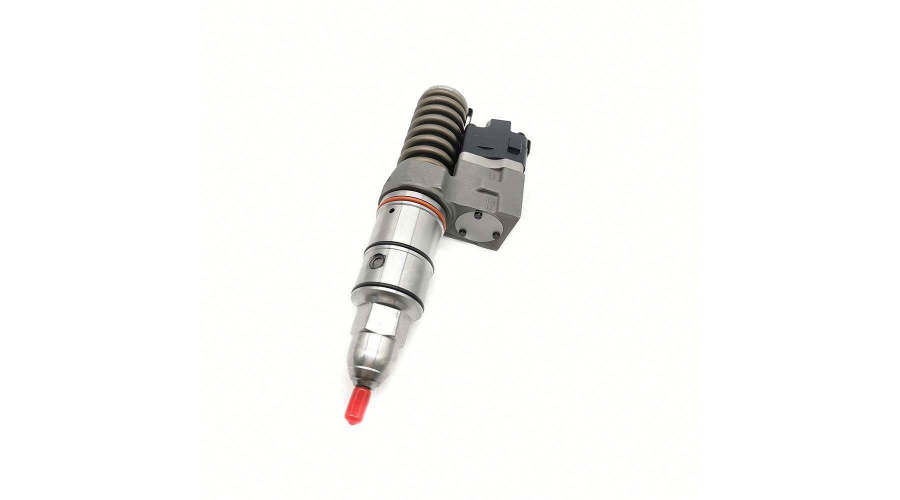
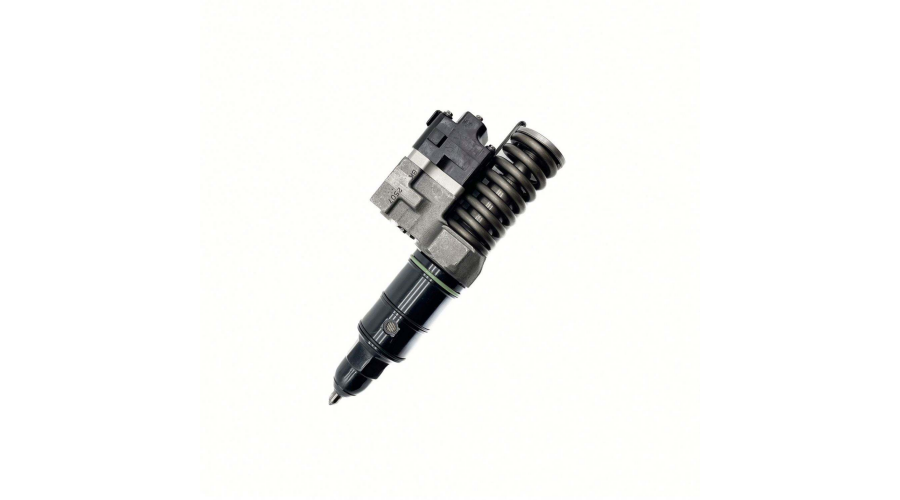
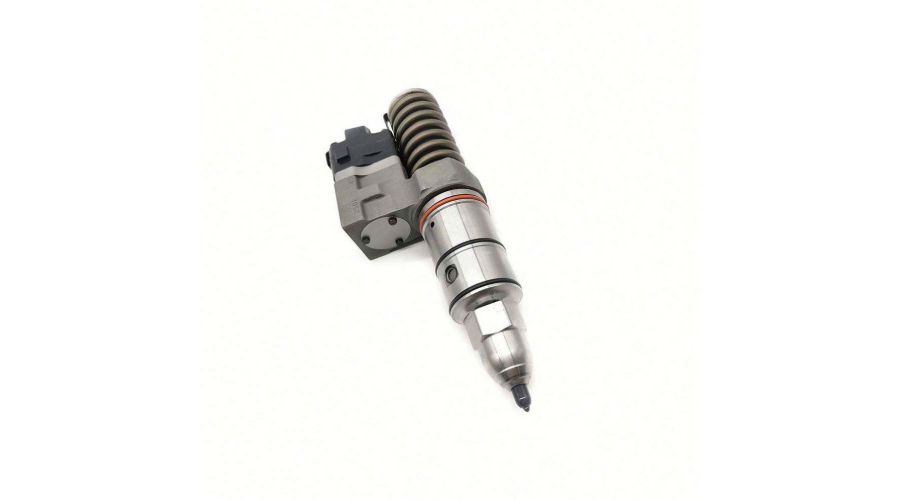
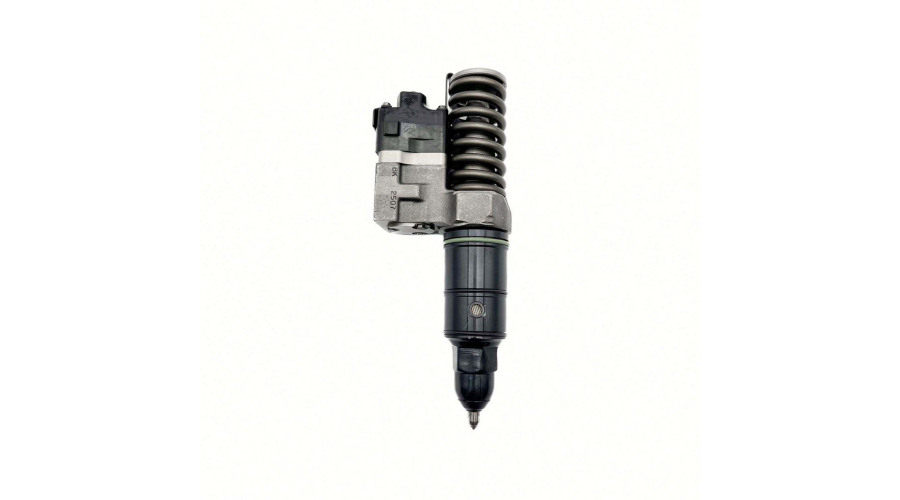
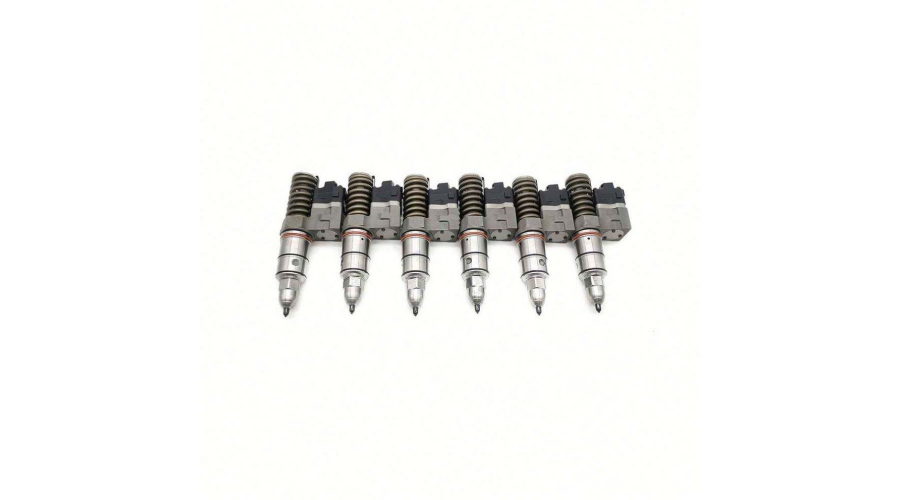
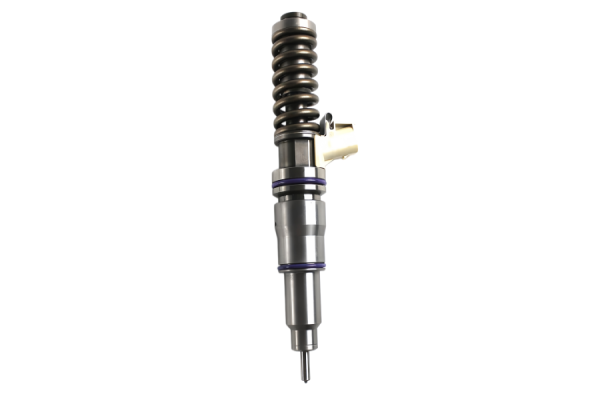
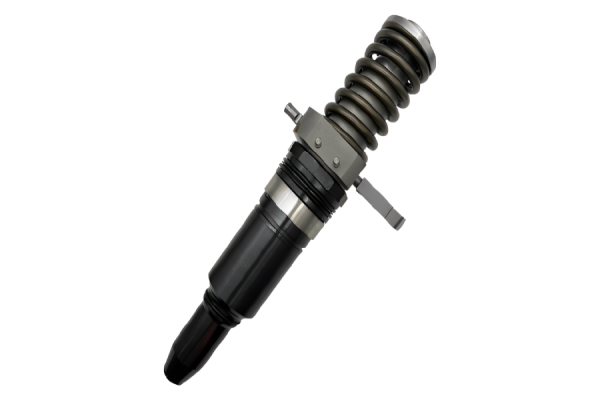
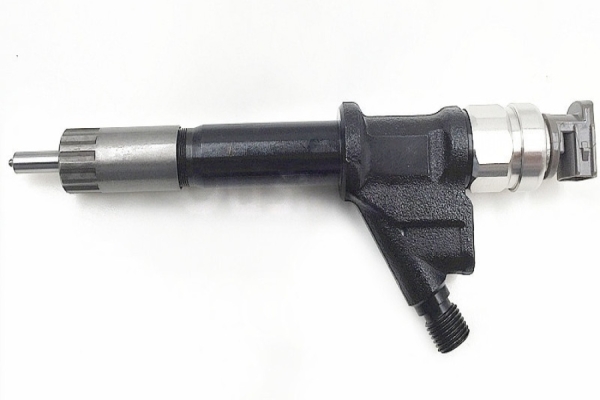
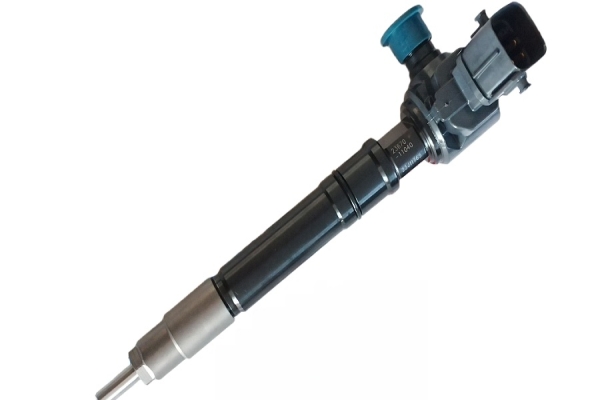
Primary Engine: Detroit Diesel Series 60 12.7L engine. It may also be used in some 11.1L and 14L variants, but verification by engine serial number is critical.
System: DDEC III, IV, or V.
Type: Electronic Unit Injector (EUI). It combines the high-pressure pumping element and the injector nozzle into a single unit, controlled by the engine's Electronic Control Module (ECM).
Function: Precisely meters, pressurizes, and atomizes fuel for injection into the combustion chamber at the exact moment dictated by the ECM.
1. Structural Characteristics & Technical Advantages
Structure: It is an Electronic Unit Injector (EUI). This single, compact unit integrates:
A solenoid valve for electronic control.
A high-pressure plunger and barrel actuated by the engine's camshaft to generate extreme injection pressure (>20,000 psi).
A precision nozzle with tiny spray holes to atomize fuel.
Technical Advantages:
High Injection Pressure: Enables superior fuel atomization for cleaner and more efficient combustion.
Electronic Precision: The DDEC ECM controls exact timing and duration of each injection event for optimal power, fuel economy, and reduced emissions.
Compact & Integrated Design: Combines the pump and injector into one unit per cylinder, simplifying the engine's fuel system layout.
2. Main Application Scenarios & Equipment
Primary Application: Heavy-duty, over-the-road trucking and demanding industrial power.
Main Engine Platform: Detroit Diesel Series 60 engines, predominantly the 12.7-liter displacement model.
Typical Equipment: Class 8 trucks from brands like:
Freightliner (Century Class, Columbia, Cascadia with S60)
Western Star
Volvo / Mack (models fitted with the Series 60 engine).
3. OEM Cross Reference Number
The part number 5235600 is the core Detroit Diesel number.
Key cross references from major manufacturers include:
⚠️ Critical Note: Always verify the final part number match using your engine's full model and serial number, as there can be sub-variants.
4. Main Symptoms of Malfunction
Power & Performance: Loss of power, rough idle, engine misfire, hesitation.
Smoke: Excessive black smoke (unburned fuel) or white smoke (poor atomization/coolant leak via failed seal).
Starting: Hard starting, especially when cold.
Fuel Economy: Noticeable increase in fuel consumption.
Oil Contamination: Fuel diluting the engine oil (causing oil level to rise and viscosity to drop) due to internal injector leakage.
Fault Codes: The DDEC system will log relevant codes (e.g., cylinder-specific injector circuit or performance faults).
5. Precautions for Replacing Fuel Injectors
Confirm the Fault: Perform an injector cut-out test with a diagnostic tool to identify the specific faulty injector(s) before replacement.
Use New Seals: Always install a brand new copper injector sleeve (spacer) and all associated O-rings/gaskets. This prevents coolant leaks and compression leaks into the fuel system.
Program the Trim Code: This is the most critical step. Each electronic injector has a unique "trim code" (calibration code) that must be programmed into the engine's ECM. Failure to do this will cause severe running issues.
Consider Set Replacement: For longevity and balanced performance, replacing all injectors on the same bank or the entire set (e.g., all 6) is often recommended.
Cleanliness: Ensure the injector bore and surrounding area are impeccably clean before installation to prevent dirt ingress.
Professional Torque: Follow the manufacturer's specified torque sequence and values for the injector hold-down clamp. Under- or over-torquing can cause damage.
Prime the System: After installation, prime the fuel system to remove air before starting the engine.
In summary: For the 5235600 injector, correct diagnosis, using new seals, and programming the trim code are the three non-negotiable steps for a successful repair.