



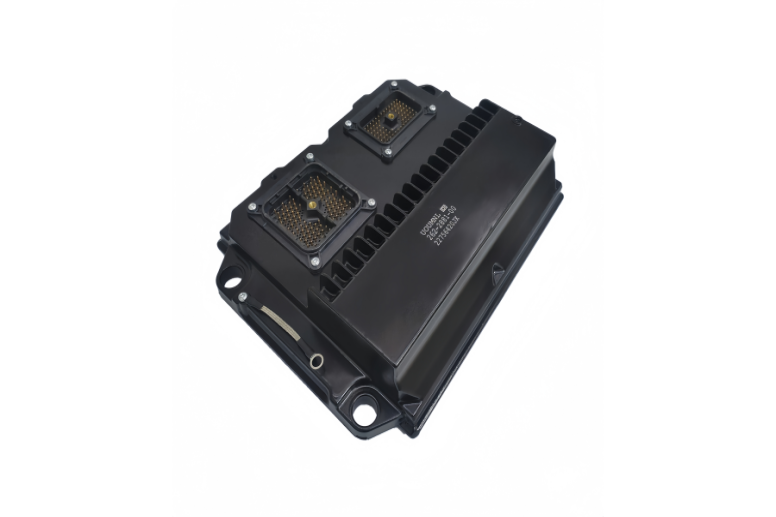
262-2881 Electronic Control Unit for Caterpillar C15 Engine: Structure
262-2881 Electronic Control Unit for Caterpillar C15 Engine: Complete Guide
The 262-2881 electronic control unit is a critical component for many Caterpillar C15 engine applications. Often called an ECU or ECM by technicians, this control module manages fuel delivery, injector timing, sensor inputs, emissions strategies, and engine protection. When it fails, the result can be anything from a check engine light to a full engine derate or a no-start condition.
If you are searching for 262-2881, also written as 2622881, this guide covers its structure, common faults, maintenance recommendations, and practical repair cases to help you diagnose the problem before spending money on parts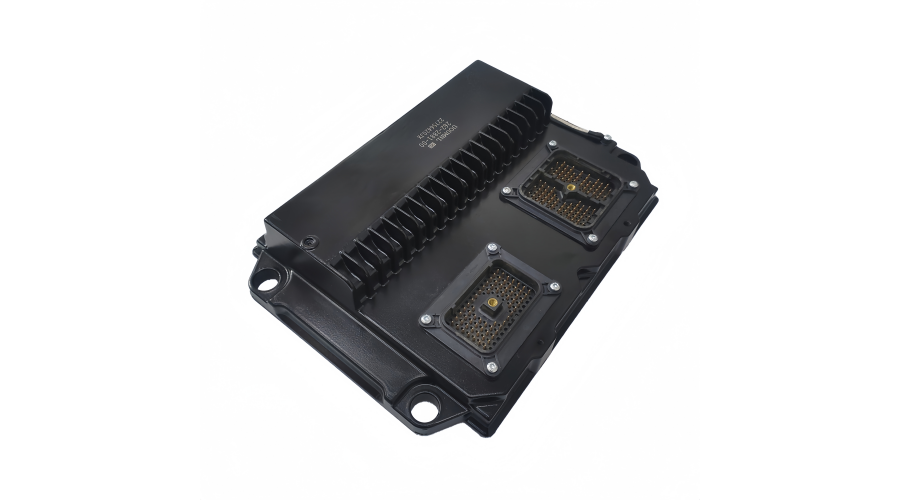
What Is the 262-2881 Electronic Control Unit?
The 262-2881 is a Caterpillar electronic control module designed for certain C15 engine platforms. It acts as the engine’s brain. It receives data from sensors, processes that data using programmed calibration, and sends output commands to injectors, actuators, and communication networks.
In simple terms, the Cat C15 ECM controls:
Fuel injection timing and quantity
Injector driver signals
Engine speed and torque management
Boost pressure and intake air control
Emissions-related strategies
Cold start and warm-up logic
Engine protection and derate strategies
Diagnostics and fault code reporting
J1939 CAN and Cat Data Link communication
Because the C15 is used in trucks, marine vessels, generators, and industrial equipment, the same part number may require different software or calibration depending on the application.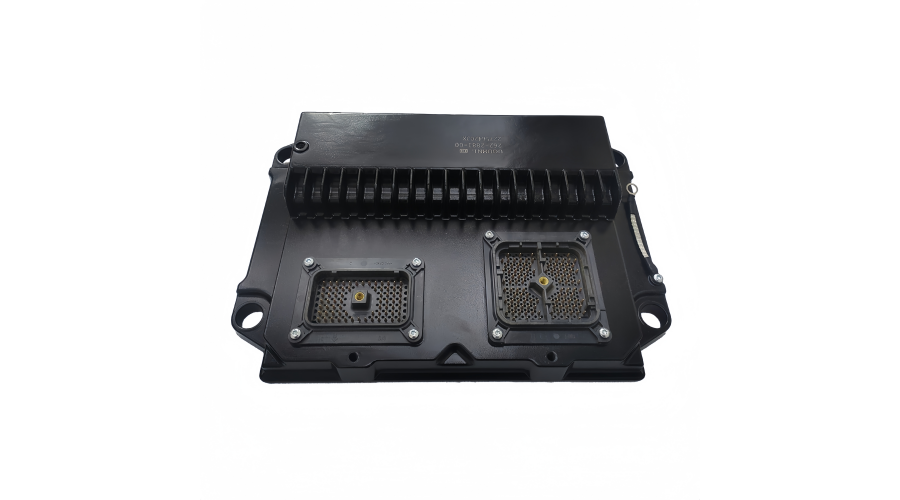
Structure and Design Features of the 262-2881 ECU
The 262-2881 electronic control unit is built for harsh environments. While exact internal details vary, these modules generally share several structural characteristics.
1. Rugged Sealed Housing
The ECU usually uses a die-cast aluminum housing with a sealed connector interface. This protects the internal circuit boards from moisture, dust, oil, vibration, and temperature extremes.
2. Heat Management
The housing often includes cooling fins or heat-transfer surfaces. The ECM is typically mounted away from direct exhaust heat, but it still must manage internal heat from processor and driver circuits.
3. Injector Driver Circuits
One of the most important sections is the injector driver hardware. It sends high-current signals to the fuel injectors. Failures here can cause misfires, injector codes, or a dead cylinder.
4. Sensor Inputs and Reference Voltage
The module supplies reference voltage to sensors such as:
Boost pressure sensor
Oil pressure sensor
Coolant temperature sensor
Intake manifold temperature sensor
Throttle position sensor
Crankshaft and camshaft position sensors
Fuel pressure sensors
A shorted sensor or damaged harness can pull down the reference voltage and create multiple false ECU faults.
5. Communication Interfaces
The Caterpillar C15 ECU communicates through J1939 CAN, Cat Data Link, and diagnostic service tools. This allows communication with the truck, generator panel, marine display, or other control modules.
6. Flash Memory and Calibration
The ECM stores software, calibration, and sometimes injector trim data. Replacing the ECU usually requires flashing the correct file and programming injector codes or trim values when applicable.
7. Diagnostic and Self-Protection Logic
The module monitors its own circuits and the engine system. When it detects a fault, it may log a diagnostic trouble code, illuminate a warning lamp, reduce power, or shut down the engine to prevent damage.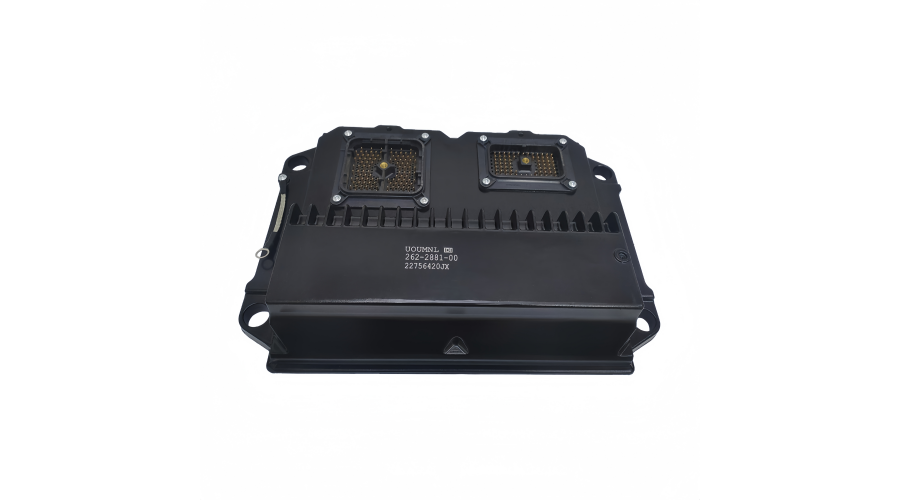
Common Faults and Symptoms of a Bad 262-2881 ECU
Not every engine problem is caused by the ECU. In fact, many 262-2881 faults are actually wiring, grounding, battery, or sensor issues. However, the following symptoms are commonly associated with a failing Cat C15 ECM.
Common Symptoms
Engine cranks but will not start
Intermittent no-start or random shutdown
Low power or active derate
Check Engine light or engine shutdown lamp
Rough running or misfire
Excessive black smoke or white smoke
Poor fuel economy
Injector circuit fault codes
J1939 communication errors
Multiple sensor codes at the same time
Cooling fan or actuator not working
No communication with Cat ET
Common Causes
Internal injector driver failure
Water intrusion or corrosion in the connector
Cracked solder joints from vibration
Capacitor or internal component failure
Voltage spikes from alternator or battery issues
Poor engine or chassis grounds
Chafed or shorted wiring harness
Loose or fretted connector pins
Incorrect software or calibration
Heat damage from poor mounting location
A failed 262-2881 electronic control unit may be the root cause, but it is often the victim of an external electrical problem. This is why proper diagnosis is essential.
Maintenance Recommendations for the 262-2881 ECU
Good maintenance can extend the life of the Caterpillar C15 ECU and prevent repeat failures.
1. Keep Battery and Charging System Healthy
Low voltage and alternator ripple can damage electronic modules. Test batteries, cables, grounds, and the alternator regularly. Replace weak batteries before they cause hard-starting or voltage spikes.
2. Inspect Grounds and Harness Routing
Poor grounds cause sensor errors and communication faults. Check engine-to-frame grounds, battery grounds, and ECM ground pins. Look for chafed harness sections near brackets, exhaust, and sharp edges.
3. Protect the Connector
The ECM connector is a common failure point. Inspect for:
Water intrusion
Corrosion
Bent pins
Loose terminal tension
Missing seals or plugs
Oil contamination
Clean only with approved electrical contact cleaner. Do not use high-pressure water directly on the connector.
4. Avoid Welding Damage
Before welding on the machine or truck, disconnect the ECM connectors and battery ground. Ground the welder as close to the weld area as possible. Welding current can destroy the ECU.
5. Use Cat ET for Diagnostics
Do not guess. Use Caterpillar Electronic Technician to read active and logged codes, check sensor values, perform injector tests, and verify communication. This helps separate an ECU fault from a harness or injector fault.
6. Flash the Correct Software
If the ECU is replaced or updated, the correct flash file and calibration must be installed. The wrong software can cause derates, poor performance, or communication problems.
7. Check Mounting and Vibration Isolation
Make sure the ECU is mounted securely with the correct isolators. Excessive vibration can crack circuit boards and wear connector pins.
8. Do Not Disconnect Batteries While Running
Disconnecting the battery while the engine is running can create a voltage spike. Shut down the engine and turn off the key before servicing electrical components.
Repair or Replace the 262-2881 ECU?
The decision depends on the diagnosis.
Repair or service the existing system if:
Faults disappear after repairing harness or connectors
Grounds or battery voltage are out of spec
Sensor reference voltage returns after disconnecting a shorted sensor
Communication returns after fixing J1939 wiring
Software or calibration is incorrect
Replace or remanufacture the ECU if:
Internal injector driver faults are confirmed
The ECM does not communicate and power/ground are good
Water or burn damage is visible inside the housing
Multiple unrelated internal faults appear
The ECU fails bench testing
For many owners, a Caterpillar remanufactured ECM is a better choice than a random used unit because it is tested and backed by warranty. However, the correct part number and software must still be verified.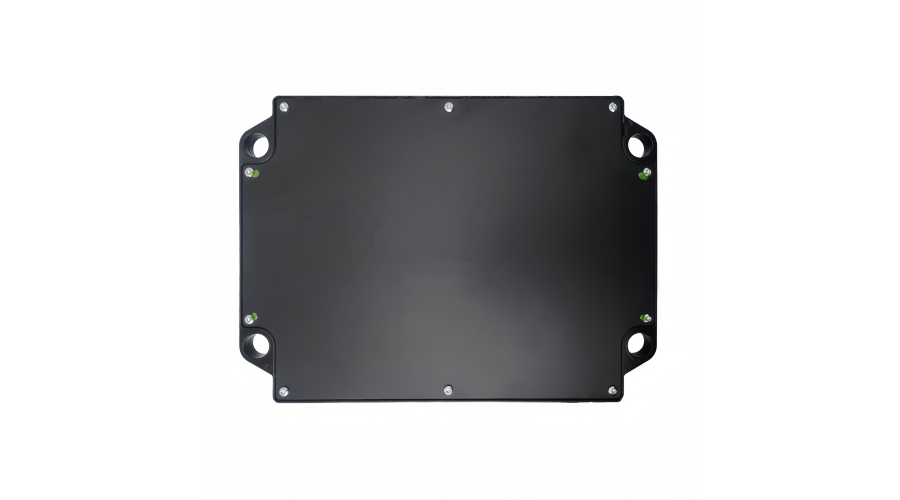
Frequently Asked Questions
What does the 262-2881 ECU control?
It controls fuel injection, engine protection, sensor processing, emissions strategies, and communication for certain Caterpillar C15 engine applications.
Is 262-2881 the same as 2622881?
Yes. 262-2881 and 2622881 refer to the same Caterpillar part number, just with different formatting.
Does a 262-2881 ECU need programming?
In most cases, yes. The ECM usually needs the correct flash file, calibration, and injector trim data. It is not always plug-and-play.
Can a bad ground damage the 262-2881?
Yes. Poor grounds can cause voltage offsets, communication faults, and erratic sensor readings. In severe cases, they can contribute to ECU damage.
How do I know if my 262-2881 is bad?
You need proper diagnostics. Check battery voltage, grounds, harness continuity, sensor reference voltage, and communication. If external tests pass and internal driver or communication faults remain, the ECU may be faulty.
Can the 262-2881 be repaired?
Some electronic repair shops can repair certain internal faults. However, for critical C15 applications, a remanufactured or new Caterpillar ECM is often the safer option.
Conclusion
The 262-2881 electronic control unit for Caterpillar’s C15 engine is a durable but complex module. It manages the engine’s most important functions, so faults can cause serious performance and downtime issues. Before replacing it, always check the basics: battery voltage, grounds, harness condition, connector pins, sensors, and software calibration.
If the ECU is confirmed faulty, replace it with the correct 262-2881 or approved remanufactured unit, then flash the proper calibration and program injector data as required. With correct maintenance and diagnosis, you can avoid repeat failures and keep your C15 engine running reliably.