



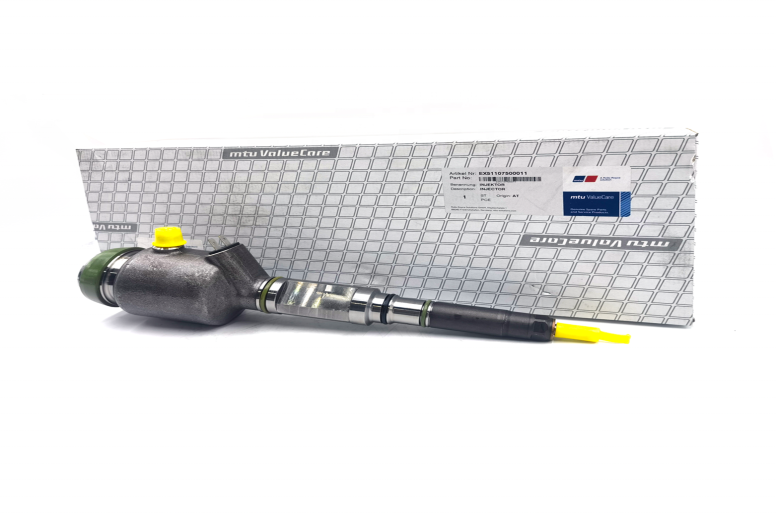
MTU Engine Mastery: Top Series, Common Faults, and Fuel Injector Care
When it comes to heavy-duty industrial power, marine propulsion, and critical backup generation, few names command as much respect as MTU (now part of Rolls-Royce Power Systems). MTU engines are synonymous with durability, high performance, and extreme reliability. Yet even the finest engineering requires proper maintenance and timely troubleshooting.
In this comprehensive guide, we’ll walk you through the most popular MTU engine series, break down frequent failure patterns you might encounter, and—most importantly—dive deep into MTU injector issues and maintenance best practices. Whether you’re a fleet manager, a marine engineer, or a power plant operator, this article will help you keep your MTU powerplant running at peak efficiency.
1. Common MTU Engine Series: Which One Powers Your Operation?
MTU offers a broad portfolio of diesel and gas engines, ranging from 40 kW to over 10,000 kW. Here are the most widely deployed series across industries:
Series 2000 – The Versatile Workhorse
Configuration: 8V, 12V, and 16V (V-arrangement)
Power range: 270–1,820 kW
Applications: Construction equipment, mining trucks, rail locomotives, and emergency gensets.
Key features: High power density, electronic common-rail injection (first generation), and compact footprint. The 16V 2000 is a favorite for high-speed marine craft.
Series 4000 – The Heavy-Duty Champion
Configuration: 12V, 16V, and 20V
Power range: 1,050–3,650 kW
Applications: Large marine vessels (tugs, ferries, offshore support), industrial pumping, and prime power generation.
Key features: Advanced second-generation common-rail system, robust cast-iron crankcase, and exceptional fuel economy under load.
Series 8000 – The Mega-Power Option
Configuration: 16V and 20V
Power range: 4,000–10,000+ kW
Applications: Ocean-going ships, large power plants, and data center backup.
Key features: Four-stage turbocharging, ultra-low emissions, and modular service design.
Series 1600 / 1100 – Compact & Agile
These smaller series (4- to 6-cylinder inline) are used in agricultural machinery, light rail, and small yachts. They share many injector and electronics technologies with the 2000 family.
SEO Tip: If your site sells MTU parts or service, target long-tail keywords like “MTU 16V4000 injector troubleshooting” or “Series 2000 common rail problems”—these phrases drive high-intent traffic.
2. MTU Engine Common Faults: What Typically Goes Wrong?
Despite German precision, MTU engines operate in harsh conditions. Heat, vibration, fuel quality, and operating hours take their toll. Here are the top 6 failure modes reported by service centres worldwide:
① High-Pressure Fuel Pump Wear
The common-rail system operates at pressures exceeding 2,000 bar. Over time, plungers and barrels score, leading to pressure fluctuations. Symptoms: rough idling, white smoke, and loss of power at high RPM.
② Turbocharger Carbon Build-Up
Especially in Series 4000 and 8000, variable-geometry turbochargers (VGT) accumulate soot from low-load operation. This sticks the vanes, causing boost lag and excessive exhaust temperatures. Regular load banking (for gensets) is essential.
③ Coolant Leaks at Cylinder Head Gaskets
MTU’s wet-liner design is robust, but thermal cycling can compress gaskets unevenly. Watch for coolant consumption, milky oil, or external weeping near the head joints. Early detection prevents hydrolock.
④ EGR Cooler Blockage
On Tier 4 / IMO III compliant engines, exhaust gas recirculation coolers get fouled by soot and moisture. This raises NOx but more critically increases backpressure, reducing combustion efficiency.
⑤ Wiring Harness Chafing
MTU uses multiple sensors (camshaft, crankshaft, rail pressure, temperature). Vibration can fray harnesses against sharp edges, producing intermittent faults (e.g., “Rail pressure sensor – signal invalid”). Always inspect looms during oil changes.
⑥ Injector Performance Degradation
This is by far the most common and costly issue—so we dedicate the next section entirely to it.
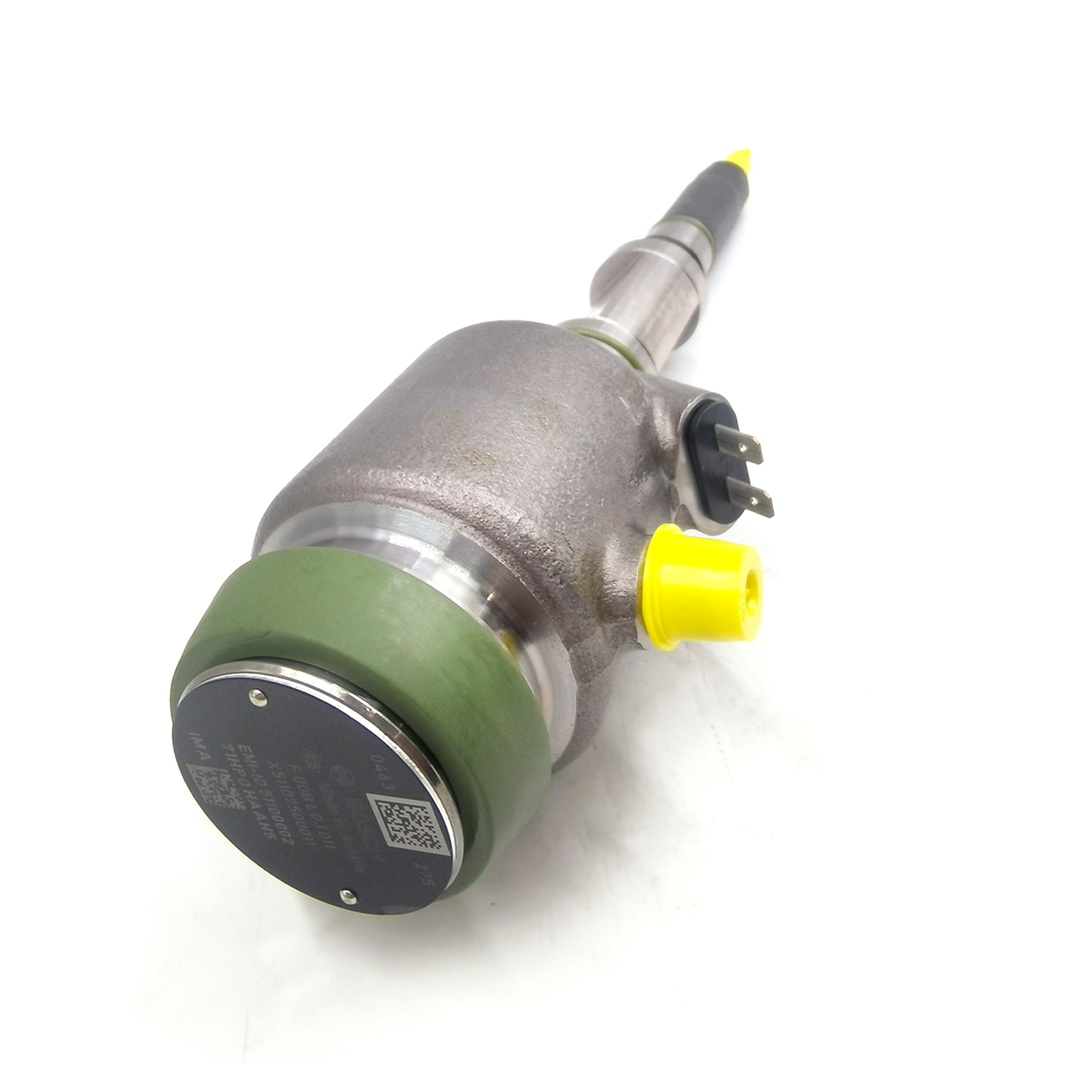
3. MTU Injector Common Faults & Proactive Maintenance
MTU’s common-rail injectors are precision electro-hydraulic devices. They meter fuel with micron-level accuracy. When they fail, you’ll notice:
Rough start / extended cranking
Misfiring under load
Black or white exhaust smoke
Increased fuel consumption (5–15% rise)
Rail pressure deviation faults (e.g., SPN 157 – FMI 7/13)
Proven Maintenance Strategies for MTU Injectors
✅ Fuel Filtration First
MTU recommends secondary filters of 4 µm (absolute). Never bypass them. Use only OEM or equivalent high-efficiency filters. Change primary (pre-filter) every 250 hours and secondary every 500 hours—or sooner if fuel quality is questionable.
✅ Use Approved Fuel & Additives
Stick to EN 590 or ASTM D975 with minimum cetane number 45. For marine, use distillate fuels with < 0.1% sulphur. Add biocides and stabilisers if storing fuel over 6 months. Avoid aftermarket “cleaners” that contain strong solvents—they can strip the injector’s internal coatings.
✅ Monitor Rail Pressure Deviation via ECM
Modern MTU engines have ADEC (Advanced Diesel Engine Control) or MDEC systems. Use diagnostic software (e.g., MTU’s EDiag or third-party J1939 tools) to track injector correction values. If any cylinder shows > ±3 mm³/stroke deviation, plan for injector swap.
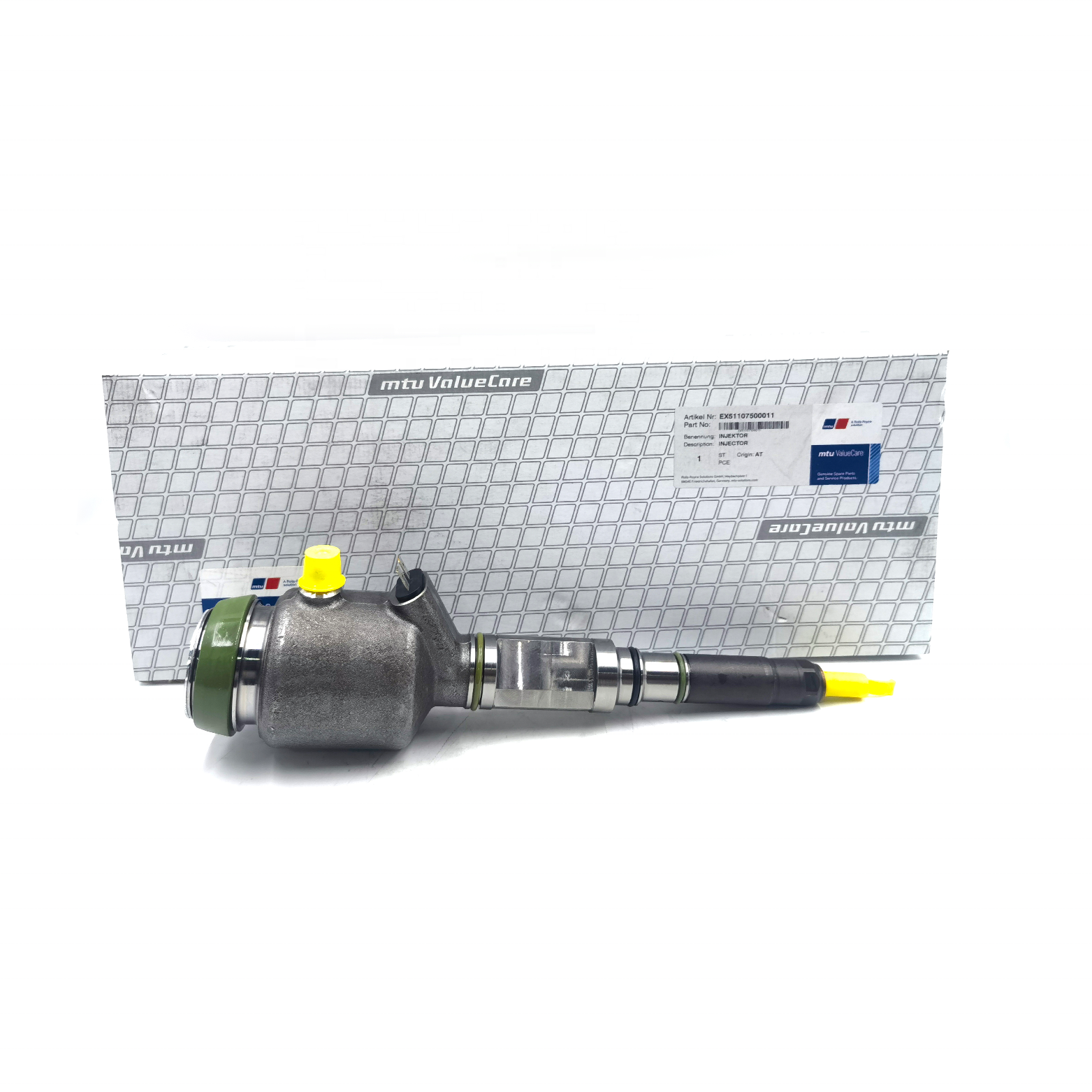
✅ Ultrasonic Cleaning & Flow Testing
When injectors reach 4,000–6,000 hours, pull them for professional bench testing. A certified Bosch or MTU service centre will:
Ultrasonic clean the nozzles (removing carbon and lacquer)
Check solenoid resistance and response time
Measure dynamic flow at multiple pulse widths
Replace nozzle tips if spray pattern fails
Never “clean” injectors by running pure diesel or kerosene through the engine—this starves lubrication and can score plungers.
✅ Correct Torque & O-ring Replacement
Always use new copper sealing washers and O-rings when reinstalling injectors. Torque to MTU spec (typically 40–50 Nm plus angle tightening). Over-torquing deforms the injector body; under-torquing causes combustion gas blow-by.
✅ Annual Oil Analysis
Fuel dilution in engine oil is a silent killer. Send oil samples to labs like Spectro or Polaris. If fuel % exceeds 2.0%, check injector O-rings and high-pressure pump seals immediately.
5. When to Call a Specialist – and What to Ask
Not all shops are equipped to handle MTU’s high-pressure common-rail (HPCR) systems. Before handing over your injectors, verify:
They have a Bosch EPS815 or EPS200 test stand (or equivalent) capable of 2,200 bar.
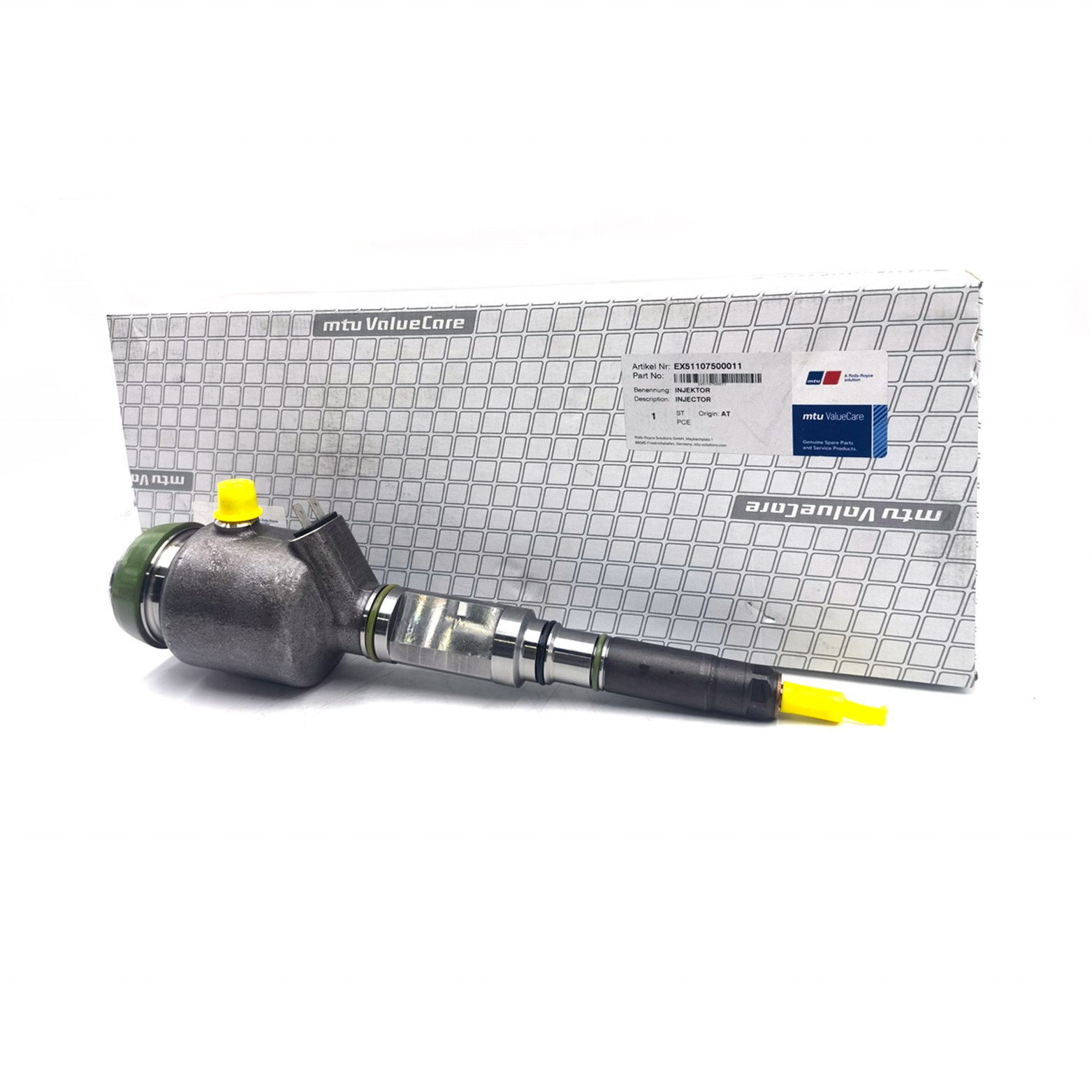
They use genuine MTU/Bosch spare parts – counterfeit nozzles are widespread and cause premature failure.
They provide certified calibration reports with before/after flow values.
If you’re in a remote location, consider keeping a spare set of remanufactured injectors on hand. MTU offers exchange programs that reduce downtime to under 4 hours.
6. Final Thoughts – Proactive Care Beats Reactive Repairs
MTU engines are built to last 20,000+ hours between major overhauls—but that longevity hinges on how well you treat the fuel injection system. The common-rail injector is the heart of your engine; neglect it, and you’ll face costly downtime, excessive smoke, and possible piston melting.
Remember:
Clean fuel is non-negotiable.
Regular data logging catches drift before it becomes a fault.
Scheduled injector servicing (every 4–6k hours) costs about 70% less than a post-failure cylinder rebuild.